„Poezja zachowuje od zniszczenia tchnienie boskości w człowieku.”
Źródło: Justyna Ziarkowska, W gorączce. Krytyka literacka Maurycego Mochnackiego i Mariana José de Larra, Dolnośląskie Wydawnictwo Edukacyjne, 2004, s. 128.
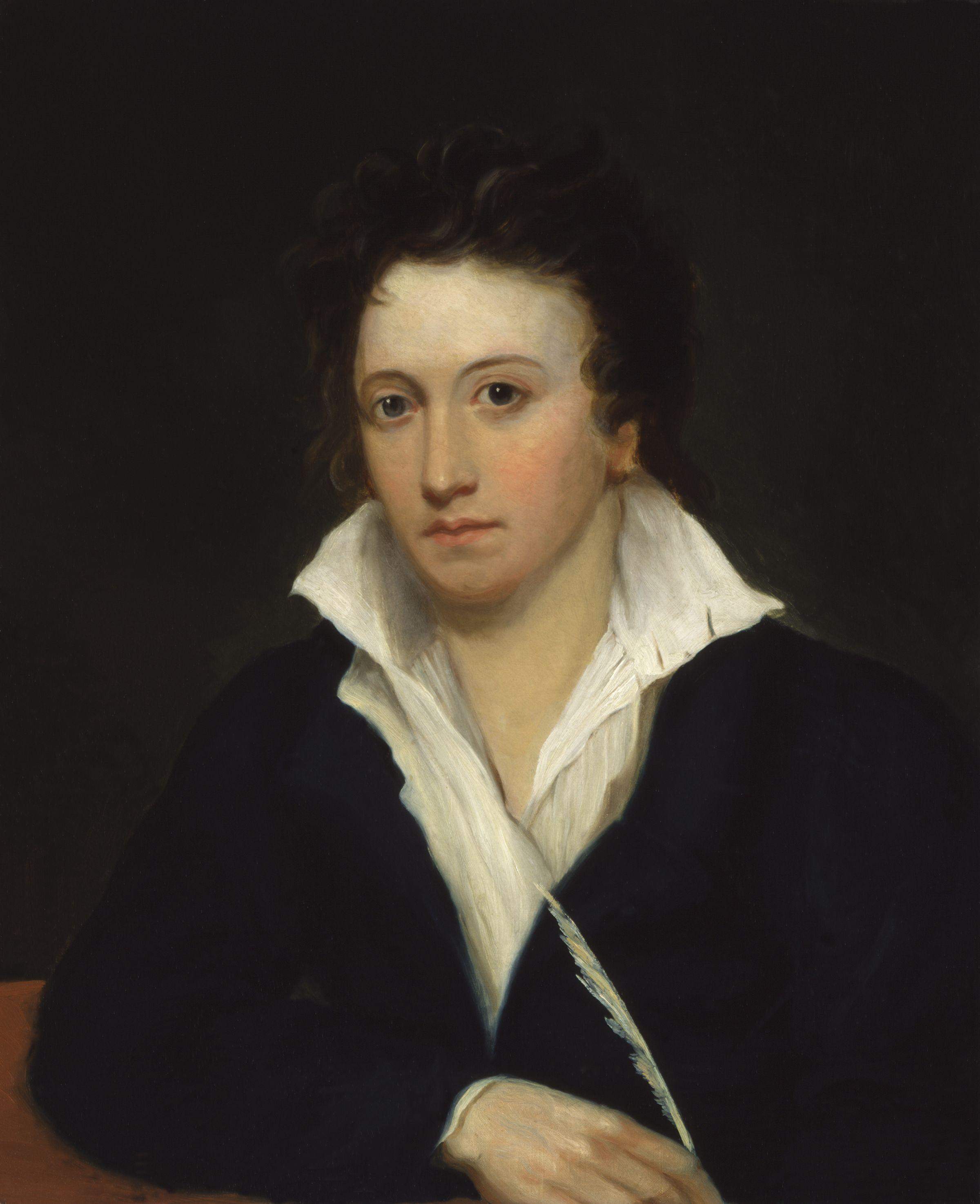
Percy Bysshe Shelley – angielski poeta i dramaturg. Przedstawiciel angielskiego romantyzmu.
„Poezja zachowuje od zniszczenia tchnienie boskości w człowieku.”
Źródło: Justyna Ziarkowska, W gorączce. Krytyka literacka Maurycego Mochnackiego i Mariana José de Larra, Dolnośląskie Wydawnictwo Edukacyjne, 2004, s. 128.
„O, jakże chciałbym być Antychrystem (…).”
Oh, how I wish I were the Antichrist (…). (ang.)
Źródło: list do Thomasa Jeffersona Hogga, 3 stycznia 1811, cyt. za: Teddi Chichester Bonca, Shelley’s Mirrors of Love. Narcissism, Sacrifice, and Sorority, SUNY Press, 1999, s. 18.
Percy Bysshe Shelley Epipsychidion
Źródło: Epipsychidion (1821), l. 174
Translation of Calderon's Magico Prodigioso, Scene i; reported in Bartlett's Familiar Quotations, 10th ed. (1919)
Percy Bysshe Shelley Prometheus Unbound
First Spirit, Act I, l. 697
Prometheus Unbound (1818–1819; publ. 1820)
Percy Bysshe Shelley Prometheus Unbound
Demogorgon, Act IV, l. 554–561
Prometheus Unbound (1818–1819; publ. 1820)
“Like an unbodied joy whose race is just begun.”
Percy Bysshe Shelley To a Skylark
St. 3
To a Skylark (1821)
Percy Bysshe Shelley Epipsychidion
Dedication
Epipsychidion (1821)
Percy Bysshe Shelley książka A Vindication of Natural Diet
A Vindication of Natural Diet (1813)
Percy Bysshe Shelley Prometheus Unbound
Asia, Act II, sc. v, l. 39
Prometheus Unbound (1818–1819; publ. 1820)
Źródło: Julian and Maddalo http://www.bartleby.com/139/shel115.html (1819), l. 482
Percy Bysshe Shelley książka A Vindication of Natural Diet
A Vindication of Natural Diet (1813)
Percy Bysshe Shelley Prometheus Unbound
Fury, Act I, l. 625–631
Prometheus Unbound (1818–1819; publ. 1820)
“… why God made irreconcilable
Good and the means of good.”
The Triumph of Life (1822)
“Have you not heard
When a man marries, dies, or turns Hindoo,
His best friends hear no more of him?”
Letter to Maria Gisborne (1820), l. 235
The Indian Serenade http://www.poetry-archive.com/s/the_indian_serenade.html (1819), st. 1
A Defence of Poetry http://www.bartleby.com/27/23.html (1821)
A Defence of Poetry http://www.bartleby.com/27/23.html (1821)
Percy Bysshe Shelley Death (Shelley, 2)
"Death" in an untitled dialogue (1809); published in Life of Shelley (1858) by Thomas Jefferson Hogg, p. 197
"The Solitary" (1810), st. 2
Źródło: To Jane: The Invitation (1822), l. 31
Percy Bysshe Shelley Prometheus Unbound
Earth, Act I, l. 191
Prometheus Unbound (1818–1819; publ. 1820)
Percy Bysshe Shelley Queen Mab
Notes
Queen Mab (1813)


