„Poezja zachowuje od zniszczenia tchnienie boskości w człowieku.”
Źródło: Justyna Ziarkowska, W gorączce. Krytyka literacka Maurycego Mochnackiego i Mariana José de Larra, Dolnośląskie Wydawnictwo Edukacyjne, 2004, s. 128.
Percy Bysshe Shelley – angielski poeta i dramaturg. Przedstawiciel angielskiego romantyzmu.
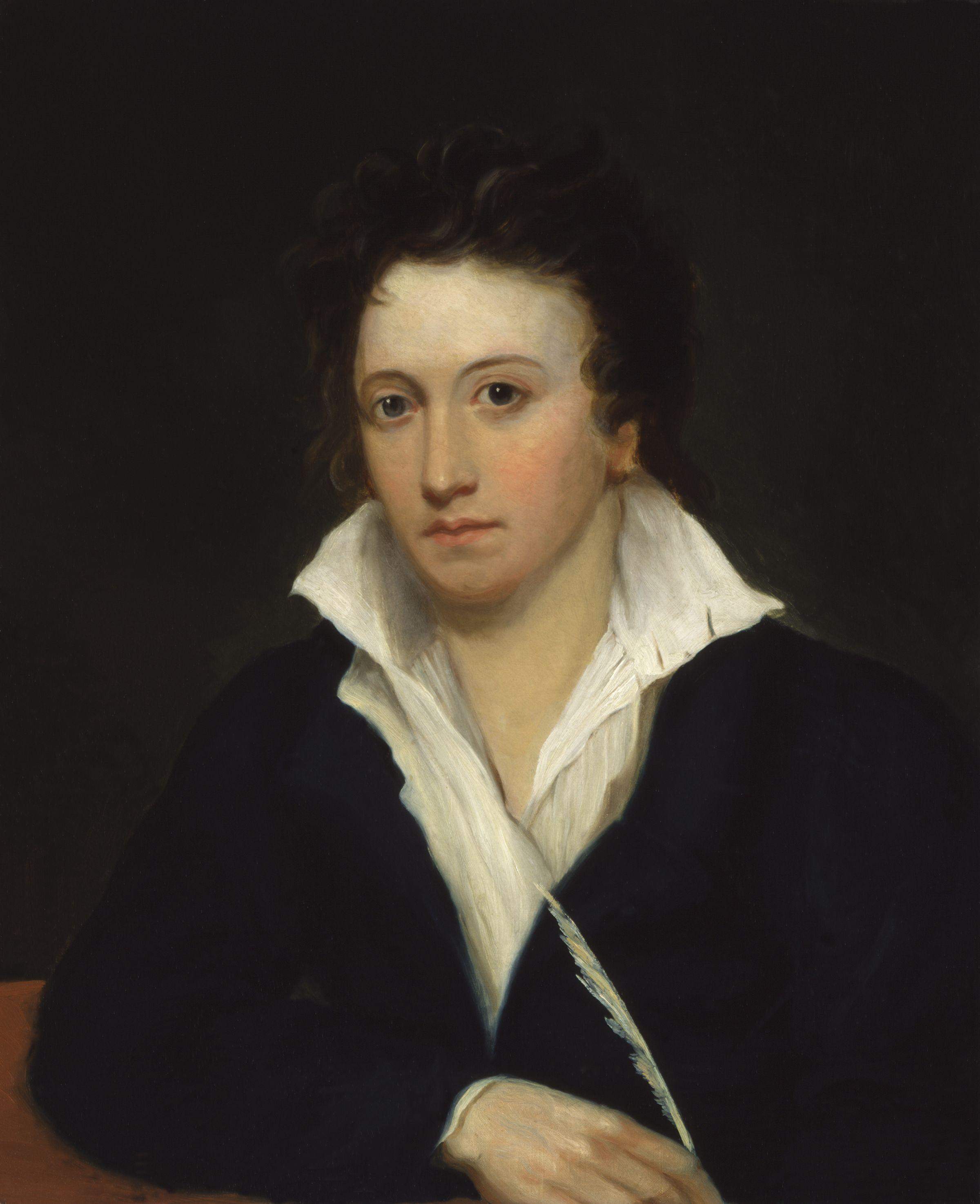
„Poezja zachowuje od zniszczenia tchnienie boskości w człowieku.”
Źródło: Justyna Ziarkowska, W gorączce. Krytyka literacka Maurycego Mochnackiego i Mariana José de Larra, Dolnośląskie Wydawnictwo Edukacyjne, 2004, s. 128.
„O, jakże chciałbym być Antychrystem (…).”
Oh, how I wish I were the Antichrist (…). (ang.)
Źródło: list do Thomasa Jeffersona Hogga, 3 stycznia 1811, cyt. za: Teddi Chichester Bonca, Shelley’s Mirrors of Love. Narcissism, Sacrifice, and Sorority, SUNY Press, 1999, s. 18.
“Familiar acts are beautiful through love.”
Percy Bysshe Shelley Prometheus Unbound
The Earth, Act IV, l. 403
Prometheus Unbound (1818–1819; publ. 1820)
Percy Bysshe Shelley Queen Mab
Canto V
Queen Mab (1813)
“His fine wit
Makes such a wound, the knife is lost in it.”
Letter to Maria Gisborne (1820), l. 240
Percy Bysshe Shelley Epipsychidion
Epipsychidion (1821)
Lines Written among the Euganean Hills (1818)
Article 27 <br class="br"> "Declaration of Rights" http://knarf.english.upenn.edu/PShelley/declarat.html (1812)
“Men of England, wherefore plough
For the lords who lay ye low?”
Song to the Men of England http://www.online-literature.com/shelley_percy/673/ (1819), st. 1
Article 9 <br class="br"> "Declaration of Rights" http://knarf.english.upenn.edu/PShelley/declarat.html (1812)
Similes for Two Political Characters of 1819 http://etext.library.adelaide.edu.au/s/shelley/percy_bysshe/s54cp/section163.html (Published 1832), st. 4
“The lone couch of his everlasting sleep.”
Alastor, or The Spirit of Solitude (1816), line 57
“How wonderful is Death,
Death and his brother Sleep!”
Percy Bysshe Shelley Queen Mab
Canto I
Queen Mab (1813)
“A lovely lady, garmented in light
From her own beauty.”
The Witch of Atlas http://www.gutenberg.org/etext/4696 (1820), st. 5
Źródło: Julian and Maddalo http://www.bartleby.com/139/shel115.html (1819), l. 449
“The quick Dreams,
The passion-winged Ministers of thought.”
Percy Bysshe Shelley Adonaïs
St. IX
Adonais (1821)
On a Future State (1815; publ. 1840)
Percy Bysshe Shelley Adonaïs
St. XXXII
Adonais (1821)


