John Milton książka Raj utracony
Raj utracony (1667)
Źródło: księga II
John Milton – angielski poeta i pisarz, autor poematu Raj utracony .
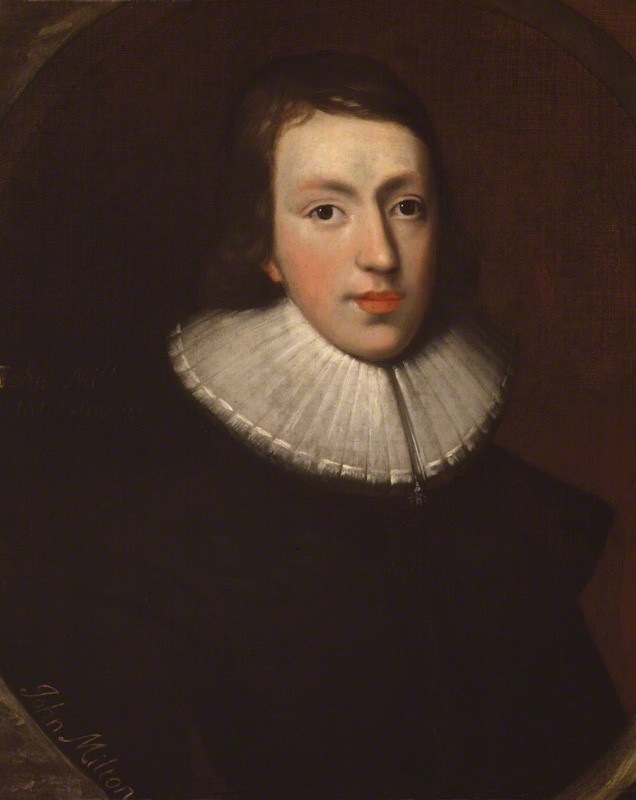
John Milton książka Raj utracony
Raj utracony (1667)
Źródło: księga II
„Umysł jest niezależną jednostką i sam może sprawić, że niebo stanie się Piekłem, a piekło Niebem.”
Źródło: Małgorzata Kronenberger, Muzykoterapia. Podstawy teoretyczne do zastosowania muzykoterapii w profilaktyce stresu, Mediatour, Szczecin 2003, ISBN 8391200620.
John Milton książka Raj utracony
Raj utracony (1667)
Źródło: księga III
Źródło: Druga obrona (ang. Defense of the English People), 1654, tłum.J. Zychowicz.
„Lepiej być panem w piekle, niźli sługą w niebiosach”
John Milton książka Raj utracony
Tis better to reign in Hell, than to serve in Heaven. (ang.)
Raj utracony (1667)
John Milton książka Raj utracony
Raj utracony (1667)
Źródło: księga II
Źródło: Il Penseroso (1631), Line 159
“Herbs, and other country messes,
Which the neat-handed Phillis dresses.”
Źródło: L'Allegro (1631), Line 85
“Where more is meant than meets the ear.”
Źródło: Il Penseroso (1631), Line 120
“And join with thee, calm Peace and Quiet,
Spare Fast, that oft with gods doth diet.”
Źródło: Il Penseroso (1631), Line 45
“Then to the spicy nut-brown ale.”
Źródło: L'Allegro (1631), Line 100
“Towered cities please us then,
And the busy hum of men.”
Źródło: L'Allegro (1631), Line 117
“Or call up him that left half told
The story of Cambuscan bold.”
Źródło: Il Penseroso (1631), Line 109
John Milton On the Morning of Christ's Nativity
Stanza 1, line 1
On the Morning of Christ's Nativity (1629)
Źródło: Il Penseroso (1631), Line 128
“Peor and Baälim
Forsake their temples dim.”
John Milton On the Morning of Christ's Nativity
Hymn. Line 197
On the Morning of Christ's Nativity (1629)
“Hence vain deluding Joys,
The brood of Folly without father bred!”
Źródło: Il Penseroso (1631), Line 1
To Cyriack Skinner, upon His Blindness (c. 1655)
John Milton Lycidas
Źródło: Lycidas (1637), Line 123
“Ladies, whose bright eyes
Rain influence, and judge the prize.”
Źródło: L'Allegro (1631), Line 121
“New Presbyter is but Old Priest writ Large.”
On the new forcers of Conscience under the Long Parliament (1645)


