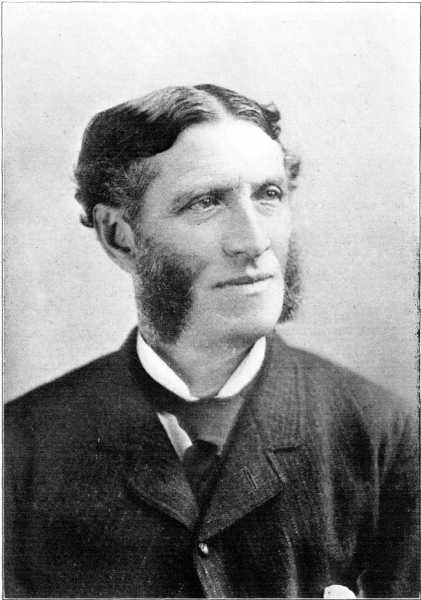
Matthew Arnold słynne cytaty
„Bóg nie może być wszędzie, dlatego wynalazł matkę.”
Źródło: Leksykon złotych myśli, wyboru dokonał Krzysztof Nowak, Warszawa 1998.
[Poetry] a critisism of life under the conditions fixed for such a critisism by the laws of poetic truth and poetic beauty. (ang.)
Źródło: The Study of Poetry, 1880
Matthew Arnold: Cytaty po angielsku
Matthew Arnold Thyrsis
St. 18
Thyrsis (1866)
"To a Friend" http://www.poetry-online.org/arnold_to_a_friend.htm (1849), line 1
The Functions of Criticism at the Present Time (1864)
"Shakespeare" (1849)
“Let the long contention cease!
Geese are swans, and swans are geese.”
Matthew Arnold The Last Word
St. 2
The Last Word (1867)
“How fair a lot to fill
Is left to each man still.”
"A Summer Night," Poems: Second Series, (1855), last stanza http://books.google.com/books?id=IzpcAAAAcAAJ&q=%22How+fair+a+lot+to+fill+Is+left+to+each+man+still%22&pg=PA210#v=onepage
Heinrich Heine, p. 144
Essays in Criticism (1865)
Matthew Arnold On Translating Homer
On Translating Homer (1861)
"To Marguerite, in Returning a Volume of the Letters of Ortis" (1852), stanza 1
Matthew Arnold książka Empedocles on Etna
Act I, sc. ii
Empedocles on Etna (1852)
“With women the heart argues, not the mind.”
"Merope" (1858), line 341
Matthew Arnold książka Culture and Anarchy
Preface
Culture and Anarchy (1869)
“The men of culture are the true apostles of equality.”
Matthew Arnold książka Culture and Anarchy
Źródło: Culture and Anarchy (1869), Ch. I, Sweetness and Light
The Functions of Criticism at the Present Time (1864)
“I am past thirty, and three parts iced over.”
Letter to Arthur Hugh Clough (12 February 1853)
“A beautiful and ineffectual angel, beating in the void his luminous wings in vain.”
On Percy Bysshe Shelley, Byron
Essays in Criticism, second series (1888)
Joseph Butler, Human Nature and Other Sermons, "Sermon VII" as quoted in Arnold's "St. Paul and Protestantism" (1870).
Misattributed
" Shakespeare http://classiclit.about.com/library/bl-etexts/marnold/bl-marn-shakes.htm" (1849, st. 1)


