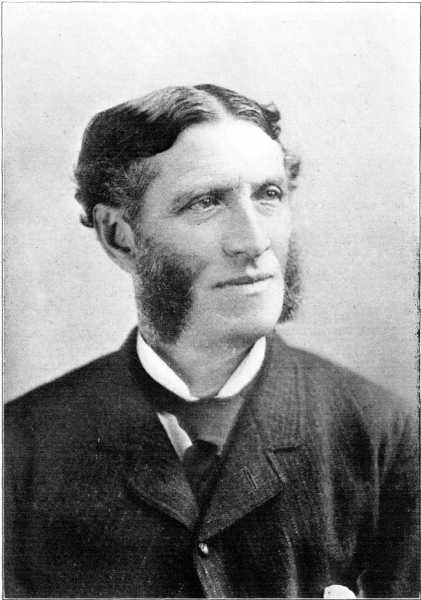
Matthew Arnold słynne cytaty
„Bóg nie może być wszędzie, dlatego wynalazł matkę.”
Źródło: Leksykon złotych myśli, wyboru dokonał Krzysztof Nowak, Warszawa 1998.
[Poetry] a critisism of life under the conditions fixed for such a critisism by the laws of poetic truth and poetic beauty. (ang.)
Źródło: The Study of Poetry, 1880
Matthew Arnold: Cytaty po angielsku
"Stanzas in Memory of the Author of "Obermann"" (1852), st. 24
The Functions of Criticism at the Present Time (1864)
Preface to the Second Edition (1869)
Essays in Criticism (1865)
Preface
Literature and Dogma (1873)
Matthew Arnold książka Culture and Anarchy
Źródło: Culture and Anarchy (1869), Ch. III, Barbarians, Philistines, Populace
" On the Study of Celtic Literature http://www.sacred-texts.com/neu/celt/scl/index.htm" (1867), Pt. 6
Stanzas from the Grande Chartreuse (1855)
“The day in his hotness,
The strife with the palm;
The night in her silence,
The stars in their calm.”
Matthew Arnold książka Empedocles on Etna
Act II
Empedocles on Etna (1852)
Matthew Arnold książka Culture and Anarchy
Preface, 1st Ed
Culture and Anarchy (1869)
Matthew Arnold książka Empedocles on Etna
Act I, sc. ii
Empedocles on Etna (1852)
Matthew Arnold książka Culture and Anarchy
Źródło: Culture and Anarchy (1869), Ch. I, Sweetness and Light
“The Celts certainly have it in a wonderful measure.”
Referring to style, in On the Study of Celtic Literature (1867), Pt. 6
" Civilization in the United States http://etext.virginia.edu/etcbin/toccer-new2?id=ArnCivi.sgm&images=images/modeng&data=/texts/english/modeng/parsed&tag=public&part=all" (1888)
"St. Paul and Protestantism" (1870)
Matthew Arnold książka Culture and Anarchy
Introduction
Culture and Anarchy (1869)
Źródło: Literature and Dogma (1873), Ch. 1
“To thee only God granted
A heart ever new:
To all always open;
To all always true.”
Matthew Arnold Switzerland
"Switzerland", IV. "Parting" (1853)
“Coleridge, poet and philosopher wrecked in a mist of opium.”
Byron
Essays in Criticism, second series (1888)
“I keep saying, Shakspeare, Shakspeare, you are as obscure as life is.”
Letter to Arthur Hugh Clough (ca. 6 December 1847)
Alternate spelling used
Matthew Arnold On Translating Homer
On Translating Homer (1861)
" Poor Matthias http://www.flippyscatpage.com/frompoormatthias.html" (1867)
“The great apostle of the Philistines, Lord Macaulay”
Joubert, pp. 234–5
Essays in Criticism (1865)


