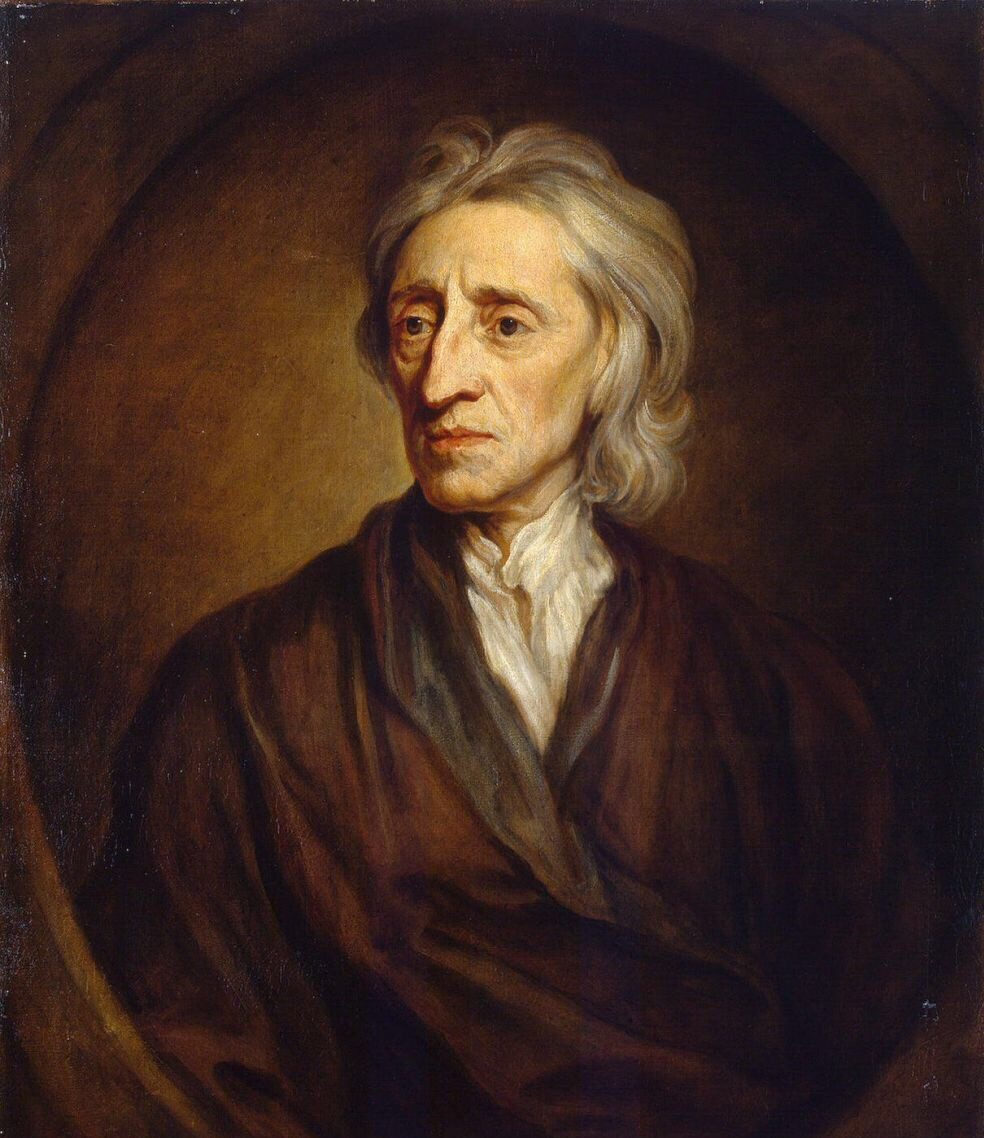
John Locke słynne cytaty
„Nic nie zachodzi bez przyczyny.”
dosłownie: Wszystko się dzieje z jakiegoś powodu.
Everything happens for a reason. (ang.)
Źródło: Filozofia francuskiego Oświecenia, wyb. Bronisław Baczko, PWN, 1961, s. 98.
Źródło: Howard Zinn, Ludowa historia Stanów Zjednoczonych. Od roku 1492 do dziś, tłum. Andrzej Wojtasik, Wyd. Krytyki Politycznej, Warszawa 2016, s. 117.
Źródło: Richard H. Popkin, Avrum Stroll, Filozofia, Poznań 1994, tłum. Jan Karłowski, Norbert Leśniewski, Andrzej Przyłębski, s. 115.
Źródło: Jerzy Kochan, Niebieskie oczy Kanta, „Nowa Krytyka” http://www.nowakrytyka.pl/spip.php?article180
„Siła naszych przekonań nie dowodzi ich słuszności.”
Źródło: „Dziś”, t. 9, Kier, 1998, s. 74.
John Locke Cytaty o wolności
Źródło: Concerning Civil Government, Second Essay (1690), rozdz. 4
Źródło: Dawid R. Kamerschen, Richard B. McKenzie, Clark Nardinelli, Ekonomia, Fundacja Gospodarcza NSZZ Solidarność, Warszawa 1989.
wolność polega na swobodzie dysponowania… działaniami, majątkiem i całą swą własnością, w ramach prawa, które człowiekowi przysługują.
Źródło: Dawid R. Kamerschen, Richard B. McKenzie, Clark Nardinelli, Ekonomia, Fundacja Gospodarcza NSZZ Solidarność, Warszawa 1989.
John Locke: Cytaty po angielsku
“Our Business here is not to know all things, but those which concern our conduct.”
Źródło: An Essay Concerning Human Understanding 2
John Locke książka An Essay Concerning Human Understanding
Źródło: An Essay Concerning Human Understanding
“A sound mind in a sound body, is a short but full description of a happy state in this world.”
John Locke książka Some Thoughts Concerning Education
Sec. 1
Some Thoughts Concerning Education (1693)
Preface to the Reader
The Reasonableness of Christianity (1695)
John Locke książka Some Thoughts Concerning Education
Sec. 94
Some Thoughts Concerning Education (1693)
John Locke książka Some Thoughts Concerning Education
Sec. 81
Some Thoughts Concerning Education (1693)
John Locke książka Two Treatises of Government
Second Treatise of Government, Ch. II, sec. 4
Two Treatises of Government (1689)
“There cannot any one moral Rule be propos'd, whereof a Man may not justly demand a Reason.”
John Locke książka An Essay Concerning Human Understanding
Book I, Ch. 3, sec. 4
An Essay Concerning Human Understanding (1689)
John Locke książka Some Thoughts Concerning Education
Sec. 107
Some Thoughts Concerning Education (1693)
John Locke książka Some Thoughts Concerning Education
Sec. 115
Some Thoughts Concerning Education (1693)
“I am sure, zeal or love for truth can never permit falsehood to be used in the defence of it.”
187
The Reasonableness of Christianity (1695)
§ 106
The Reasonableness of Christianity (1695)
John Locke książka Some Thoughts Concerning Education
Sec. 115
Some Thoughts Concerning Education (1693)
John Locke książka Some Thoughts Concerning Education
Sec. 145
Some Thoughts Concerning Education (1693)
This might be a paraphrase of some of Locke's expressions or ideas, but the earliest publication of the statement in this form seems to be one made in Oversight Hearing on the Columbia River Gorge National Scenic Area Act (1997).
Misattributed
John Locke książka Two Treatises of Government
Second Treatise of Government http://www.constitution.org/jl/2ndtr14.htm, Sec. 168 <br class="br">Two Treatises of Government (1689)
John Locke książka Some Thoughts Concerning Education
Sec. 115
Some Thoughts Concerning Education (1693)
John Locke książka Two Treatises of Government
Second Treatise of Government, Ch. V, sec. 27
Two Treatises of Government (1689)
John Locke książka An Essay Concerning Human Understanding
Book III, Ch. 9, sec. 4
An Essay Concerning Human Understanding (1689)
John Locke książka Some Thoughts Concerning Education
Sec. 115
Some Thoughts Concerning Education (1693)
This statement has been attributed to John A. Locke, but John Locke did not have a middle name. The words "dynamic," "boring" and "repetitive," found in this quote, were not yet in use in Locke's time. (See The Online Etymology Dictionary http://www.etymonline.com/abbr.php.) John A. Locke is listed on one site as having lived from 1899 to 1961; no more information about him was available. <br class="br">Misattributed
John Locke książka Some Thoughts Concerning Education
Sec. 81
Some Thoughts Concerning Education (1693)
John Locke książka Some Thoughts Concerning Education
Sec. 119
Some Thoughts Concerning Education (1693)
John Locke książka Some Thoughts Concerning Education
Sec. 115
Some Thoughts Concerning Education (1693)


