„Pan Bóg stworzył jedzenie, a diabeł kucharzy.”
Źródło: Leksykon złotych myśli, wyboru dokonał Krzysztof Nowak, Warszawa 1998.
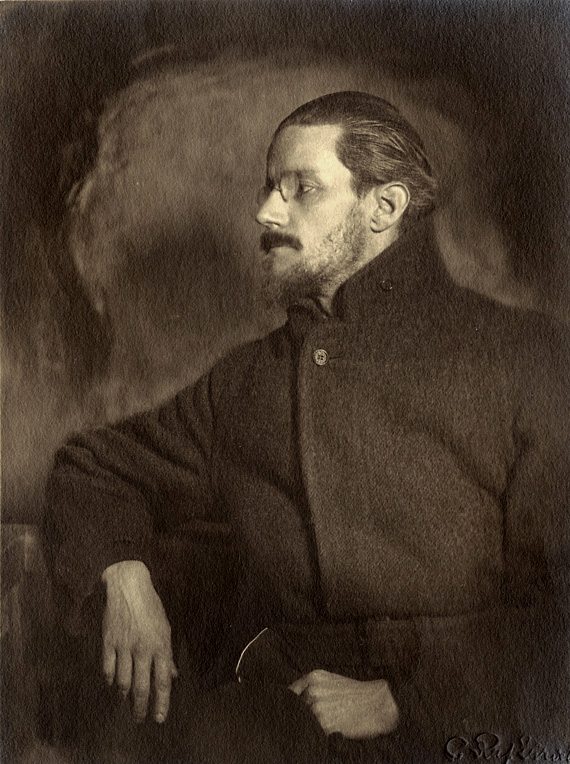
James Augustine Aloysius Joyce – irlandzki pisarz tworzący w języku angielskim, jeden z najwybitniejszych pisarzy XX wieku. Wikipedia
„Pan Bóg stworzył jedzenie, a diabeł kucharzy.”
Źródło: Leksykon złotych myśli, wyboru dokonał Krzysztof Nowak, Warszawa 1998.
“But toms will till. I know he well.”
James Joyce książka Finnegans Wake
Book I, Chapter 8
'time will tell'; 'I know he will / I know him well'
Finnegans Wake (1939)
“There is not past, no future; everything flows in an eternal present.”
To Jacques Mercanton, on the structure of Ulysses, as quoted in James Joyce: The Critical Heritage (1997) by Robert H. Deming, p. 22
"Ireland, Island of Saints and Sages," lecture, Università Popolare, Trieste (27 April 1907), printed in James Joyce: Occasional, Critical and Political Writing (2002) edited by Kevin Barry [Oxford University Press, 2002, <small> ISBN 0-192-83353-7</small>], p. 125
“The oaks of ald now they lie in peat yet elms leap where askes lay.”
James Joyce książka Finnegans Wake
4.14-15
Finnegans Wake (1939)
“The sly reeds whisper to the night
A name — her name”
James Joyce książka Pomes Penyeach
Alone, p. 18
Pomes Penyeach (1927)
James Joyce książka Finnegans Wake
Finnegans Wake (1939)
James Joyce książka Finnegans Wake
Finnegans Wake (1939)
From the poem I Hear an Army http://www.bartleby.com/103/128.html
“You forget that the kingdom of heaven suffers violence: and the kingdom of heaven is like a woman.”
Exiles (1915), Act II http://www.robotwisdom.com/jaj/exiles2.html
“Loveward above the glancing oar”
James Joyce książka Pomes Penyeach
Watching The Needleboats At San Sabba, p. 10
Pomes Penyeach (1927)
“The fragrant hair,
Falling as through the silence falleth now
Dusk of the air.”
James Joyce książka Pomes Penyeach
Tutto E Sciolto, p. 13
Pomes Penyeach (1927)
"James Clarence Mangan" (1902)
“And mine a shielded heart for her
Who gathers simples of the moon.”
James Joyce książka Pomes Penyeach
Simples, p. 15
Pomes Penyeach (1927)
“Tis as human a little story as paper could well carry”
James Joyce książka Finnegans Wake
115.36
Finnegans Wake (1939)
James Joyce książka Finnegans Wake
410.20-23
Finnegans Wake (1939)
James Joyce książka Finnegans Wake
Page 113
Finnegans Wake (1939)
James Joyce, “Daniel Defoe,” translated from Italian manuscript and edited by Joseph Prescott, Buffalo Studies 1 (1964): 24-25
Referring to Finnegans Wake in a letter to Harriet Shaw Weaver (24 November 1926)
James Joyce książka Finnegans Wake
Źródło: Finnegans Wake (1939), p. 100
Said in conversation with Frederic Prokosch and quoted in Prokosch's Voices: A Memoir (1983), "At Sylvia’s." Joyce was replying to Prokosch's statement that Molly Bloom’s monologue in Ulysses was written as a stream of consciousness. "Molly Bloom was a down-to-earth lady" said Joyce. "She would never have indulged in anything so refined as a stream of consciousness."
"A Suave Philosophy," in Daily Express, Dublin (6 February 1903), printed in James Joyce: Occasional, Critical and Political Writing (2002) edited by Kevin Barry [Oxford University Press, <small> ISBN 0-192-83353-7</small>], p. 67
James Joyce książka Stephen Hero
Stephen Hero (1944)
Kontekst: Now for the third quality. For a long time I couldn't make out what Aquinas meant. He uses a figurative word (a very unusual thing for him) but I have solved it. Claritas is quidditas. After the analysis which discovers the second quality the mind makes the only logically possible synthesis and discovers the third quality. This is the moment which I call epiphany. First we recognise that the object is one integral thing, then we recognise that it is an organised composite structure, a thing in fact: finally, when the relation of the parts is exquisite, when the parts are adjusted to the special point, we recognise that it is that thing which it is. Its soul, its whatness, leaps to us from the vestment of its appearance. The soul of the commonest object, the structure of which is so adjusted, seems to us radiant. The object achieves its epiphany.
James Joyce książka Finnegans Wake
20.10-18
Finnegans Wake (1939)
“Around us fear, descending
Darkness of fear above”
James Joyce książka Pomes Penyeach
On The Beach At Fontana, p. 14
Pomes Penyeach (1927)
James Joyce książka Finnegans Wake
286.25-27
Finnegans Wake (1939)
“Seraphim,
The lost hosts awaken”
James Joyce książka Pomes Penyeach
Nightpiece, p. 17
Pomes Penyeach (1927)
“Boor, bond of thy herd,
Tonight stretch full by the fire!”
James Joyce książka Pomes Penyeach
Tilly, p. 9
Pomes Penyeach (1927)


