Herman Melville książka Moby Dick
Ismael, Moby-Dick or, The Whale
Źródło: Moby Dick
Herman Melville – amerykański powieściopisarz, poeta i eseista.
Był synem kupca pochodzenia szkockiego. Jego ojciec zbankrutował, kiedy Herman miał 15 lat. Wcześnie musiał rzucić szkołę i imał się różnych zajęć. Był między innymi robotnikiem rolnym, ekspedientem, urzędnikiem bankowym i nauczycielem. Wiele lat spędził na morzu, na statku wielorybniczym, a swoje doświadczenia zawarł w późniejszej twórczości.
Jego najsłynniejszym dziełem, zaliczanym do kanonu literatury światowej, jest Moby Dick, fikcyjna opowieść o białym kaszalocie. Pomysł do jej napisania zaczerpnął Melville z prawdziwej historii statku wielorybniczego Essex. Przedstawił w niej żywy obraz społeczności wielorybników i właścicieli statków wielorybniczych oraz zawarł alegorię odwiecznej walki dobra ze złem.
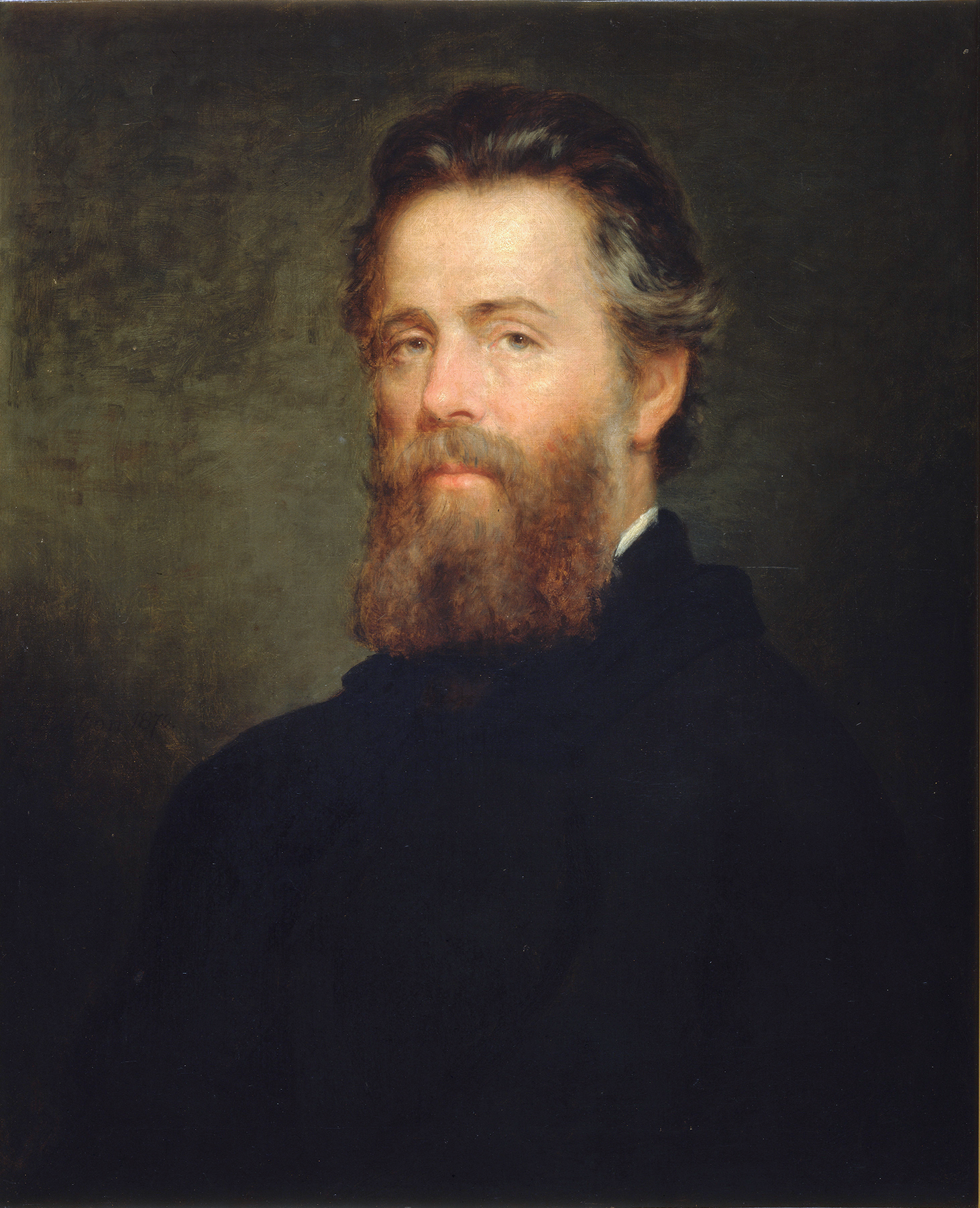
Herman Melville książka Moby Dick
Ismael, Moby-Dick or, The Whale
Źródło: Moby Dick
„Choć jednak niewiele bywa prawdziwej wiedzy, przecie książek jest mnóstwo.”
Postać: Izmael
Moby Dick czyli biały wieloryb
Źródło: rozdział XXXII
„(…) baranie łby nigdy nie powinny szukać logicznych przesłanek.”
Postać: Ahab
Moby Dick czyli biały wieloryb
Źródło: rozdział CVIII
Herman Melville książka Moby Dick
Ismael, Moby-Dick or, The Whale
Źródło: Moby Dick
Herman Melville książka Moby Dick
Moby-Dick or, The Whale
Herman Melville książka Moby Dick
Ismael, Moby-Dick or, The Whale
Źródło: Moby Dick
Herman Melville książka Moby Dick
Ismael, Moby-Dick or, The Whale
Źródło: Moby Dick
Herman Melville książka Moby Dick
Moby-Dick or, The Whale
Herman Melville książka Moby Dick
Ismael, Moby-Dick or, The Whale
Źródło: Moby Dick
“We cannibals must help these Christians.”
Źródło: Moby-Dick or, The Whale
“The Past is the textbook of tyrants; the Future is the Bible of the Free.”
Herman Melville książka White-Jacket
Źródło: White-Jacket
Herman Melville książka The Encantadas
Sketch Eighth
The Encantadas (1854)
Herman Melville książka White-Jacket
Źródło: White-Jacket (1850), Ch. 19
On the Slain Collegians, st. 1
Battle Pieces: And Aspects of the War (1860)
Herman Melville książka White-Jacket
This has often been quoted with modernized American spelling, rendering it "to civilize civilization and christianize Christendom?"
Źródło: White-Jacket (1850), Ch. 64
Hawthorne and His Mosses (1850)
“The drama's done. Why then here does any one step forth? — Because one did survive the wreck.”
Epilogue
Moby-Dick: or, the Whale (1851)
On the Slain Collegians, st. 2
Battle Pieces: And Aspects of the War (1860)
Hawthorne and His Mosses (1850)
Herman Melville książka Pierre: or, The Ambiguities
Bk. III, ch. 1
Pierre: or, The Ambiguities (1852)
Źródło: Moby-Dick: or, the Whale (1851), Ch. 29 : Enter Ahab; to Him, Stubb
Herman Melville książka Billy Budd, Sailor
Źródło: Billy Budd, the Sailor (1891), Ch. 23
Herman Melville książka White-Jacket
Źródło: White-Jacket (1850), Ch. 67
Herman Melville książka Pierre: or, The Ambiguities
Bk. XXV, ch. 3
Pierre: or, The Ambiguities (1852)
“Struck dead by an angel of God! Yet the angel must hang!”
Herman Melville książka Billy Budd, Sailor
Źródło: Billy Budd, the Sailor (1891), Ch. 19
“"At present I would prefer not to be a little reasonable," was his mildly cadaverous reply.”
Herman Melville książka Bartleby, the Scrivener
Bartleby, the Scrivener (1853)
Timoleon http://digitalcommons.unl.edu/cgi/viewcontent.cgi?article=1018&context=libraryscience, Art (1891)
Supplement
Battle Pieces: And Aspects of the War (1860)
Herman Melville książka Billy Budd, Sailor
Źródło: Billy Budd, the Sailor (1891), Ch. 25
Herman Melville książka Pierre: or, The Ambiguities
Bk. IV
Pierre: or, The Ambiguities (1852)
The Armies of the Wilderness, Pt. II, st. 5
Battle Pieces: And Aspects of the War (1860)
Herman Melville książka White-Jacket
Źródło: White-Jacket (1850), Ch. 36
Herman Melville książka Bartleby, the Scrivener
Bartleby, the Scrivener (1853)
Letter to Nathaniel Hawthorne (June 1, 1851).
Herman Melville książka Pierre: or, The Ambiguities
Bk. XXV, ch. 3
Pierre: or, The Ambiguities (1852)
Supplement
Battle Pieces: And Aspects of the War (1860)
Herman Melville książka Billy Budd, Sailor
Źródło: Billy Budd, the Sailor (1891), Ch. 30, Billy in the Darbies


