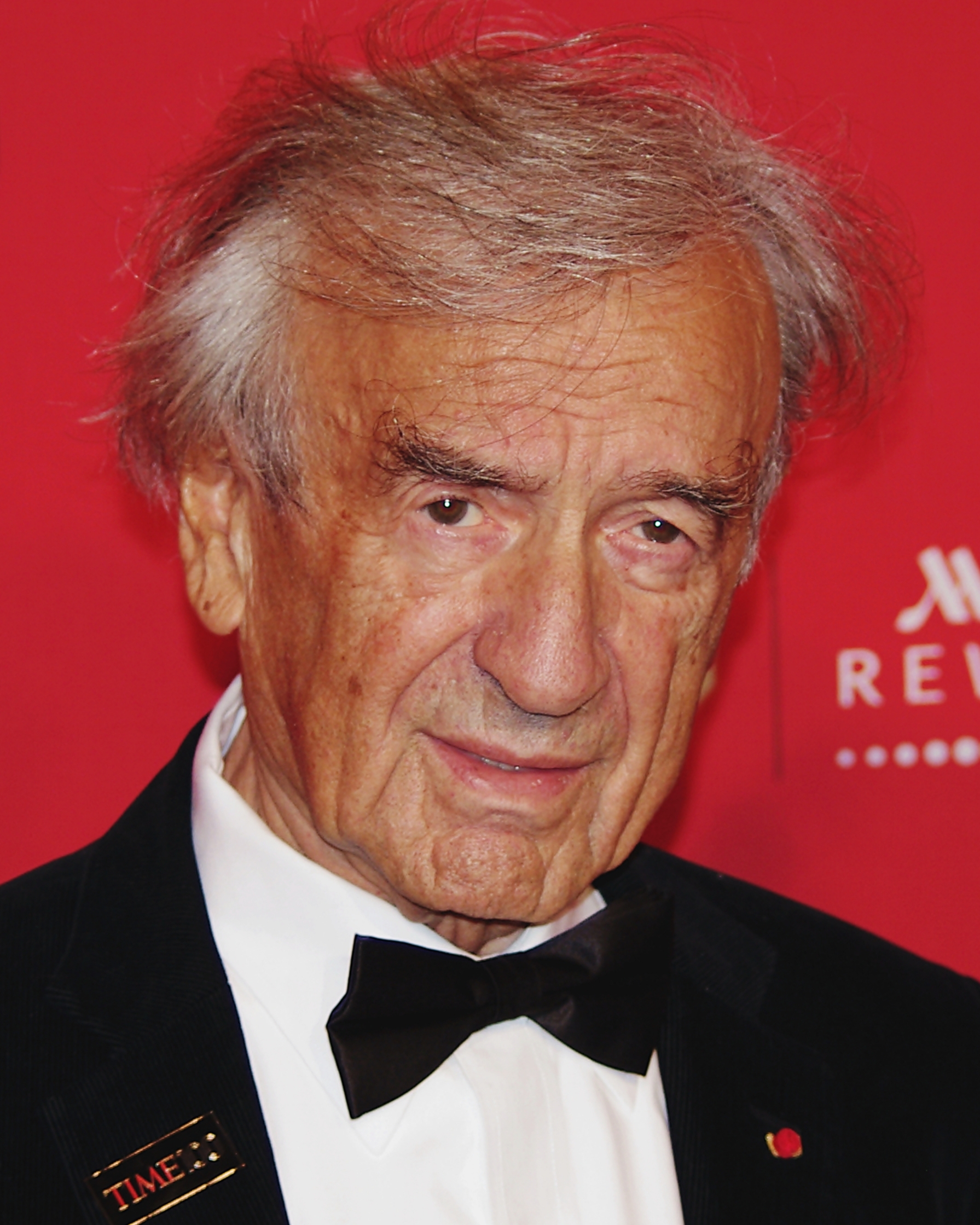
Elie Wiesel słynne cytaty
Źródło: gazeta.pl, 14 listopada 2010 http://wiadomosci.gazeta.pl/Wiadomosci/1,81048,8657364,Elie_Wiesel__uwolnienie_Aung_San_Suu_Kyi_to_wygrana.html
Źródło: Pieśń umarłych: opowiadania, Wrocław 1991, s. 143, cyt. za Tomasz Gabiś, Religia „Holocaustu”, 2006. http://www.pdfdownload.org/pdf2html/pdf2html.php?url=http%3A%2F%2Fwww.vho.org%2Faaargh%2Ffran%2Flivres6%2FGabispol.pdf&images=yes
The opposite of love is not hate, it’s indifference. (…) And the opposite of life is not death, it’s indifference. <br class="br">Źródło: Dick Staub, The Culturally Savvy Christian http://books.google.pl/books?id=cdFR9iv4kQsC&printsec=frontcover&source=gbs_ge_summary_r&cad=0#v=onepage&q&f=false, John Wiley and Sons, 2007, s. 131.
Elie Wiesel: Cytaty po angielsku
Elie Wiesel książka Night
Źródło: Night (1960)
“Indifference, to me, is the epitome of evil.”
US News & World Report (27 October 1986)
“every question possessed a power that was lost in the answer…”
Elie Wiesel książka Night
Wariant: He explained to me with great insistence that every question posessed a power that did not lie in the answer.
Źródło: Night
“What hurts the victim most is not the cruelty of the oppressor but the silence of the bystander.”
Elie Wiesel książka Night
In an interview with Carol Rittner and Sandra Meyers in Courage To Care - Rescuers of Jews during the Holocaust, NYU Press, 1986, p. 2. Also quoted by Yad Vashem http://www.yadvashem.org/righteous/about-the-program.html and Nicholas Kristoff in The Silence of the Bystanders https://www.nytimes.com/2006/03/19/opinion/the-silence-of-bystanders.html, New York Times (March 19, 2006). <br class="br">Źródło: Night
Źródło: Open Heart


