Henry Miller książka Black Spring
Źródło: Black Spring, The Obelisk Press, Paryż 1938; Grove Press, Nowy Jork 1963, s. 241.
Henry Valentine Miller – amerykański pisarz i malarz.
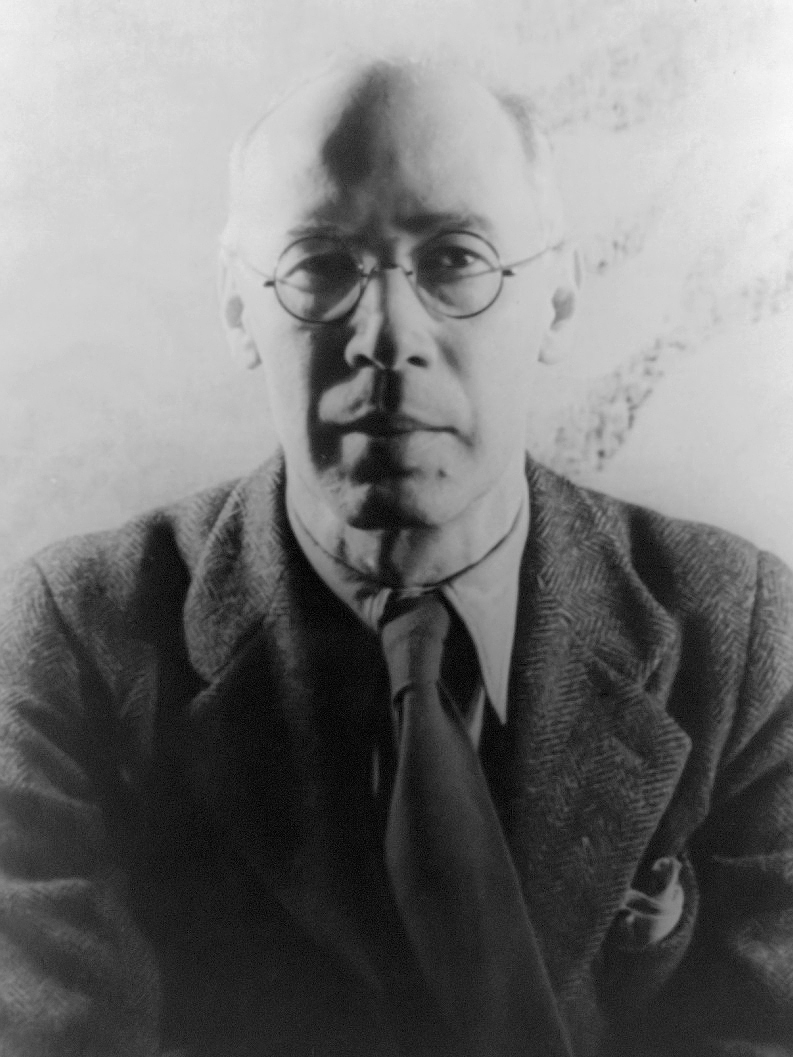
Henry Miller książka Black Spring
Źródło: Black Spring, The Obelisk Press, Paryż 1938; Grove Press, Nowy Jork 1963, s. 241.
ażeby obrać jakąś drogę? Czy nie możemy być w pełni rozbudzeni i świadomi bez tortur, na które sami się skazujemy?
Henry Miller książka Tropic of Capricorn
Źródło: Tropic of Capricorn
Henry Miller książka Sexus
Kontekst: A man writes to throw off the poison which he has accumulated because of his false way of life. He is trying to recapture his innocence, yet all he succeeds in doing is to inoculate the world with a virus of his disillusionment. No man would set a word down on paper if he had the courage to live out what he believed in....
The Rosy Crucifixion I : Sexus (1949), Chapter 1. (New York: Grove Press, c1965, p. 17-18)
Henry Miller książka Tropic of Cancer
Źródło: Tropic of Cancer
“The essential thing is to WANT to sing. This then is a song. I am singing.”
Henry Miller książka Tropic of Cancer
Źródło: Tropic of Cancer
“As long as that spark of passion is missing there is no human significance in the performance.”
Henry Miller książka Tropic of Cancer
Źródło: Tropic of Cancer
Henry Miller książka Tropic of Cancer
Źródło: Tropic of Cancer
Henry Miller książka Tropic of Cancer
Źródło: Tropic of Cancer
Reflections (1981)
Henry Miller książka Plexus
The Rosy Crucifixion II : Plexus (1953)
Reflections (1981)
Henry Miller on Writing (1964)
Henry Miller książka Big Sur and the Oranges of Hieronymus Bosch
Źródło: Miller, H. (1957). Big Sur and the Oranges of Hieronymus Bosch, New Directions Books, New York, p. 6.
Henry Miller książka Sexus
The Rosy Crucifixion I : Sexus (1949)
"Reunion in Brooklyn" http://books.google.com/books?id=uzz94pR0VQsC&q=%22To+live+without+killing+is+a+thought+which+could+electrify+the+world+if+men+were+only+capable+of+staying+awake+long+enough+to+let+the+idea+soak+in%22&pg=PA131#v=onepage, Sunday After the War (1944)
Reflections (1981)
“The artist who becomes thoroughly aware consequently ceases to be one.”
Henry Miller on Writing (1964)


