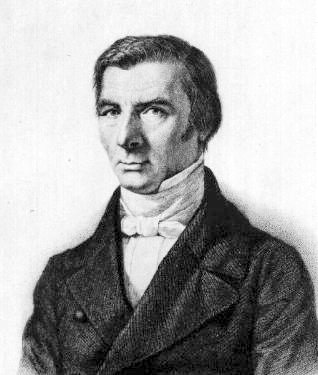
Frédéric Bastiat słynne cytaty
Sofizmaty ekonomiczne – część druga
Źródło: 15. Mały arsenał zwolennika wolnego handlu, s. 425
Kapitał i zysk z kapitału
Źródło: s. 168
„Państwo to wielka fikcja, dzięki której każdy usiłuje żyć kosztem innych.”
Państwo
Źródło: s. 111
Frédéric Bastiat Cytaty o sile
Kapitał i zysk z kapitału
Źródło: s. 174–175
Frédéric Bastiat cytaty
Kapitał i zysk z kapitału
Źródło: s. 152
„(…) braterstwo nie oznacza, że poświęcać się będzie tylko jedna strona”
Kapitał i zysk z kapitału
Źródło: s. 160
Sofizmaty ekonomiczne – część druga
Źródło: 15. Mały arsenał zwolennika wolnego handlu, s. 428
Kapitał i zysk z kapitału
Źródło: s. 155
Prawo
Źródło: s. 70
O Bastiacie
Źródło: Encyklopedia Britannica, wyd. 11, 1910
Sofizmaty ekonomiczne – część druga
Źródło: 15. Mały arsenał zwolennika wolnego handlu, s. 425–426
Kapitał i zysk z kapitału
Źródło: s. 169
Co widać i czego nie widać
Źródło: 3. Podatki, s. 18
„(…) ekonomia polityczna, sprawiedliwość, zdrowy rozsądek – to wszystko jedno i to samo.”
Kapitał i zysk z kapitału
Źródło: s. 158
Co widać i czego nie widać
Źródło: 4. Teatr i sztuki piękne, s. 22
Kapitał i zysk z kapitału
Źródło: s. 172
Co widać i czego nie widać
Źródło: 4. Teatr i sztuki piękne, s. 22
Państwo
Źródło: s. 110
Sofizmaty ekonomiczne – część druga
Źródło: 15. Mały arsenał zwolennika wolnego handlu, s. 427
Co widać i czego nie widać
Źródło: 9. Kredyt, s. 46
Sofizmaty ekonomiczne – część druga
Źródło: 15. Mały arsenał zwolennika wolnego handlu, s. 426
Państwo
Źródło: s. 115
Kapitał i zysk z kapitału
Źródło: s. 163–164
Co widać i czego nie widać
Źródło: przypis, niepublikowany szkic autora, s. 57
Kapitał i zysk z kapitału
Źródło: s. 165
„(…) wcześniejsza praca jest niezbędna, by praca aktualna była naprawdę produktywna”
Kapitał i zysk z kapitału
Źródło: s. 155
„Wszystkie monopole są obrzydliwe, lecz najgorszy jest monopol na nauczanie.”
Przeklęty pieniądz
Źródło: s. 142
o pożyczce z procentem
Kapitał i zysk z kapitału
Źródło: s. 163
Kapitał i zysk z kapitału
Źródło: s. 167
Frédéric Bastiat: Cytaty po angielsku
That which is seen and that which is not seen (Ce qu'on voit et ce qu'on ne voit pas, 1850), the Introduction.
Kontekst: In the department of economy, an act, a habit, an institution, a law, gives birth not only to an effect, but to a series of effects. Of these effects, the first only is immediate; it manifests itself simultaneously with its cause — it is seen. The others unfold in succession — they are not seen: it is well for us, if they are foreseen. Between a good and a bad economist this constitutes the whole difference: the one takes account only of the visible effect; the other takes account of both the effects which are seen and those which it is necessary to foresee. Now this difference is enormous, for it almost always happens that when the immediate consequence is favourable, the ultimate consequences are fatal, and the converse. Hence it follows that the bad economist pursues a small present good, which will be followed by a great evil to come, while the true economist pursues a great good to come, at the risk of a small present evil.
Frédéric Bastiat książka The Law
The Law (1850)


