„Zawsze bowiem dążymy do rzeczy zabronionych i pragniemy tego, czego nam odmówiono.”
François Rabelais książka Gargantua i Pantagruel
Gargantua i Pantagruel
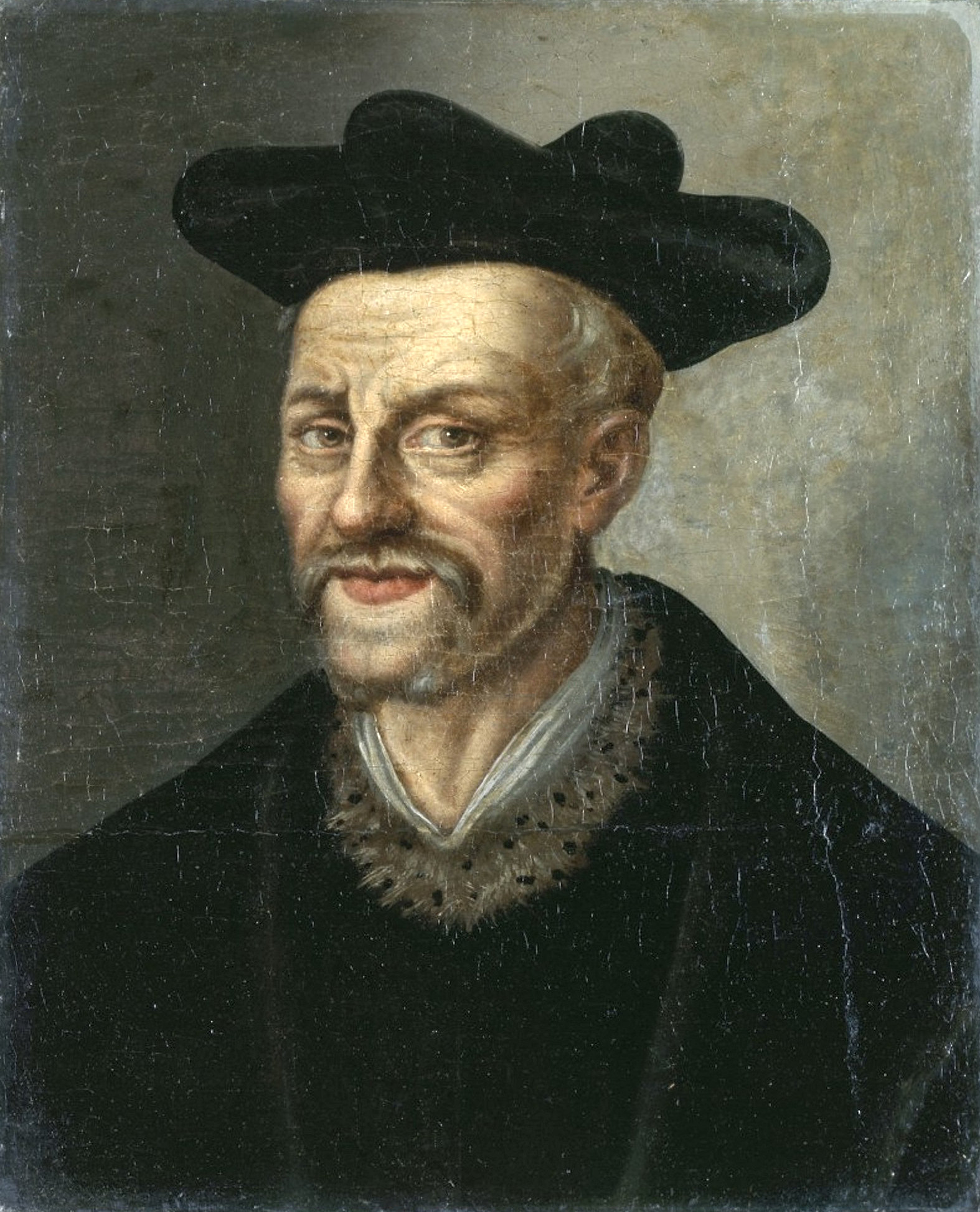
François Rabelais – francuski pisarz satyryczny, duchowny i lekarz. Wszechstronnie wykształcony, przyjaciel wielu ówczesnych humanistów europejskich, przeszedł do historii jako autor jednej książki, zarazem popularnej i budzącej kontrowersje: Gargantui i Pantagruela.
Nie znamy wielu faktów z życia wielkiego francuskiego pisarza. Urodził się w La Devinière koło Chinon w Turenii, jako rok urodzenia wymienia się 1483, 1490 i 1495. Według jednych jego ojciec był aptekarzem, według innych urzędnikiem lub oberżystą. Nauki rozpoczął u benedyktynów a kontynuował u franciszkanów w okolicach Angers. Wstąpił do konwentu franciszkańskiego w Fontenay-le-Comte, gdzie pozostawał przez piętnaście lat i przyjął święcenia kapłańskie. Ale duch jego zakonu nie sprzyjał wtedy studiom cenionym przez Renesans i ku którym on sam się skłaniał – opuścił więc konwent. Dzięki pośrednictwu biskupa Geoffroya d'Estissac otrzymał zgodę papieża Klemensa VII na zmianę: dołączył do benedyktyńskiego opactwa Maillezais. W 1530 był studentem medycyny w Montpellier, w następnych latach profesorem anatomii w Lyonie i głównym lekarzem szpitala Pont-du-Rhône. W Lyonie przebywał w towarzystwie Doleta i Marota, został też ojcem dziecka, które jednak wcześnie umarło. W 1534 kardynał Jean du Bellay sprowadził go do Rzymu jako lekarza, a w 1536 Rabelais otrzymał od papieża Pawła III indult zwalniający go z obowiązków zakonnych i zezwalający uprawiać zawód medyka. W następnym roku Rabelais otrzymał tytuł doktora medycyny w Montpellier. Prowadził odtąd życie wędrowne. W 1541 był lekarzem Guilliaume'a du Bellay. Prawdopodobnie z obawy, że jego dzieła mogą ściągnąć na niego przykre konsekwencje, w 1546 przeniósł się do Metzu, gdzie jego usługi lekarskie opłacało miasto. Tam roztoczył nad nim opiekę kardynał Jean du Bellay. Rabelais cieszył się wówczas poparciem nie tylko z jego strony, ale także jego brata Guilliaume'a, rodzin Chatillon, Montmorency, Gwizjuszów oraz Diany de Poitiers.
Autor dzieła już niezmiernie za jego życia popularnego, a zarazem potępionego przez środowisko paryskiej Sorbony – powieści Gargantua i Pantagruel .
Jego ostatnie słowa miały brzmieć Spuśćcie kurtynę, farsa skończona lub Udaję się na poszukiwanie wielkiego Być Może. Nie ma jednak pewności, czy którakolwiek z tych wersji jest autentyczna. Wikipedia
„Zawsze bowiem dążymy do rzeczy zabronionych i pragniemy tego, czego nam odmówiono.”
François Rabelais książka Gargantua i Pantagruel
Gargantua i Pantagruel
Źródło: Księga toastów i humoru biesiadnego, op. cit., s. 148.
„Udaję się w poszukiwaniu wielkiego być może. Spuście kurtynę, farsa skończona.”
Je m'en vais chercher un grand peut-être; tirez le rideau, la farce est jouée. (fr.) <br class="br">ostatnie słowa <br class="br">Źródło: Ostatnie słowa przed śmiercią, itvl.pl, 16 kwietnia 2013 http://www.itvl.pl/news/ostatnie-slowa-przed-smiercia
Źródło: O nauce i uczonych
„Nie posiadam nic cennego. Zostawiam wiele długów. Resztę zapisuję biednym.”
słowa przypisywane Rabelaisowi jako jego ostatnia wola.
Źródło: Aidan Reynolds, William E. Charlton, Arthur Machen: A Short Account of His Life and Work, 1964, s. 186.
„Kiedy piję – myślę. Kiedy myślę – piję.”
Źródło: Księga toastów i humoru biesiadnego, op. cit., s. 148.
„Apetyt przychodzi w miarę jedzenie – powiedział Augeston; ale pragnienie ulatnia się z piciem.”
Źródło: Księga toastów i humoru biesiadnego, wybór i oprac. Leszek Bubel, wyd. „Zamek”, Warszawa 1995, s. 148.
„Lepiej śmiechem jest pisać niż łzami,
Śmiech to szczere królestwo człowieka.”
Źródło: Jerzy Adamski, Historia literatury francuskiej. Zarys, Wrocław 1989, s. 53.
„Apetyt przychodzi w miarę jedzenia.”
François Rabelais książka Gargantua i Pantagruel
Gargantua i Pantagruel
„Nigdy nie stosuję się do godzin; godziny są zrobione dla człowieka, a nie człowiek dla godzin.”
François Rabelais książka Gargantua i Pantagruel
Les heures sont faictez pour l'homme, & non l'homme pour les heures. (fr.)
Gargantua i Pantagruel
„Ludek buntowniczego Paryża jest głupawy z przyrodzenia.”
Źródło: S. Grzybowski, Henryk Walezy, Wrocław – Warszawa – Kraków – Gdańsk – Łódź 1985, s. 11.
“He that has patience may compass anything.”
Francois Rabelais książka Gargantua i Pantagruel
Źródło: Gargantua and Pantagruel (1532–1564), Fourth Book (1548, 1552), Chapter 48.
“Do not believe what I tell you here any more than if it were some tale of a tub.”
Francois Rabelais książka Gargantua i Pantagruel
Źródło: Gargantua and Pantagruel (1532–1564), Fourth Book (1548, 1552), Chapter 38.
“You have there hit the nail on the head.”
Francois Rabelais książka Gargantua i Pantagruel
Źródło: Gargantua and Pantagruel (1532–1564), Third Book (1546), Chapter 34.
“Let us fly and save our bacon.”
Francois Rabelais książka Gargantua i Pantagruel
Źródło: Gargantua and Pantagruel (1532–1564), Fourth Book (1548, 1552), Chapter 55.
Francois Rabelais książka Gargantua i Pantagruel
En toutes compagnies il y a plus de folz que de sages, et la plus grande partie surmonte tousjours la meilleure. <br class="br"> Chapter 10 http://books.google.com/books?id=wfRKAQAAIAAJ&q=%22En+toutes+compagnies+il+y+a+plus+de+folz+que+de+sages+et+la+plus+grande+partie+surmonte+tousjours+la+meilleure%22&pg=PA285#v=onepage. <br class="br">Gargantua and Pantagruel (1532–1564), Pantagruel (1532)
Francois Rabelais książka Gargantua i Pantagruel
Źródło: Gargantua and Pantagruel (1532–1564), Fourth Book (1548, 1552), Chapter 38.
“What cannot be cured must be endured.”
Francois Rabelais książka Gargantua i Pantagruel
Źródło: Gargantua and Pantagruel (1532–1564), Fifth Book (1564), Chapter 15.
“I drink no more than a sponge.”
Francois Rabelais książka Gargantua i Pantagruel
Źródło: Gargantua and Pantagruel (1532–1564), Gargantua (1534), Chapter 5.
“What is got over the Devil's back is spent under the belly.”
Francois Rabelais książka Gargantua i Pantagruel
Źródło: Gargantua and Pantagruel (1532–1564), Fifth Book (1564), Chapter 11.
“Scampering as if the Devil drove them.”
Francois Rabelais książka Gargantua i Pantagruel
Źródło: Gargantua and Pantagruel (1532–1564), Fourth Book (1548, 1552), Chapter 62.
“We saw a knot of others, about a baker's dozen.”
Francois Rabelais książka Gargantua i Pantagruel
Źródło: Gargantua and Pantagruel (1532–1564), Fifth Book (1564), Chapter 22.
“You are Christians of the best edition, all picked and culled.”
Francois Rabelais książka Gargantua i Pantagruel
Źródło: Gargantua and Pantagruel (1532–1564), Fourth Book (1548, 1552), Chapter 50.
Francois Rabelais książka Gargantua i Pantagruel
Źródło: Gargantua and Pantagruel (1532–1564), Fifth Book (1564), Chapter 15.
“Above the pitch, out of tune, and off the hinges.”
Francois Rabelais książka Gargantua i Pantagruel
Źródło: Gargantua and Pantagruel (1532–1564), Fourth Book (1548, 1552), Chapter 19.
Francois Rabelais książka Gargantua i Pantagruel
Źródło: Gargantua and Pantagruel (1532–1564), Fifth Book (1564), Chapter 20 : How the Quintessence cured the sick with a song
“By robbing Peter he paid Paul, … and hoped to catch larks if ever the heavens should fall.”
Francois Rabelais książka Gargantua i Pantagruel
Źródło: Gargantua and Pantagruel (1532–1564), Gargantua (1534), Chapter 11.
“This flea which I have in mine ear.”
Francois Rabelais książka Gargantua i Pantagruel
Źródło: Gargantua and Pantagruel (1532–1564), Third Book (1546), Chapter 31.
“The Devil was sick,—the Devil a monk would be;
The Devil was well,—the devil a monk was he.”
Francois Rabelais książka Gargantua i Pantagruel
Źródło: Gargantua and Pantagruel (1532–1564), Fourth Book (1548, 1552), Chapter 24.
Francois Rabelais książka Gargantua i Pantagruel
Prologue.
Gargantua and Pantagruel (1532–1564), Gargantua (1534)
“You shall never want rope enough.”
Francois Rabelais książka Gargantua i Pantagruel
Author's prologue.
Gargantua and Pantagruel (1532–1564), Fifth Book (1564)
“I believe he would make three bites of a cherry.”
Francois Rabelais książka Gargantua i Pantagruel
Źródło: Gargantua and Pantagruel (1532–1564), Fifth Book (1564), Chapter 28.
“Subject to a kind of disease, which at that time they called lack of money.”
Francois Rabelais książka Gargantua i Pantagruel
Źródło: Gargantua and Pantagruel (1532–1564), Pantagruel (1532), Chapter 16.
Francois Rabelais książka Gargantua i Pantagruel
Źródło: Gargantua and Pantagruel (1532–1564), Fifth Book (1564), Chapter 19 : How we arrived at the queendom of Whims or Entelechy
“The belly has no ears nor is it to be filled with fair words.”
Francois Rabelais książka Gargantua i Pantagruel
Oryginał: …l'estomach affamé n'a poinct d'aureilles, il n'oyt goutte.
Źródło: Gargantua and Pantagruel (1532–1564), Fourth Book (1548, 1552), Chapter 63.
“Send them home as merry as crickets.”
Francois Rabelais książka Gargantua i Pantagruel
Źródło: Gargantua and Pantagruel (1532–1564), Gargantua (1534), Chapter 29.
“Thought I to myself, we shall never come off scot-free.”
Francois Rabelais książka Gargantua i Pantagruel
Źródło: Gargantua and Pantagruel (1532–1564), Fifth Book (1564), Chapter 15.
Francois Rabelais książka Gargantua i Pantagruel
Et guerre faicte sans bonne provision d'argent, n'a qu'un souspirail de vigueur. Les nerfz des batailles sont les pecunes.
Źródło: Gargantua and Pantagruel (1532–1564), Gargantua (1534), Chapter 44.
“Appetite comes with eating, says Angeston. But the thirst goes away with drinking.”
Francois Rabelais książka Gargantua i Pantagruel
Źródło: Gargantua and Pantagruel (1532–1564), Gargantua (1534), Chapter 5.
“Thought the moon was made of green cheese.”
Francois Rabelais książka Gargantua i Pantagruel
Źródło: Gargantua and Pantagruel (1532–1564), Gargantua (1534), Chapter 11.
“He laid him squat as a flounder.”
Francois Rabelais książka Gargantua i Pantagruel
Źródło: Gargantua and Pantagruel (1532–1564), Gargantua (1534), Chapter 27.


