John Kenneth Galbraith książka The New Industrial State
Źródło: The New Industrial State (1967), Chapter XXXV, Section 3, p. 394
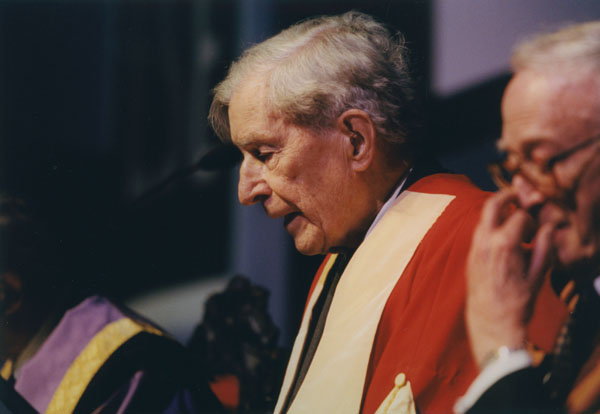
John Kenneth Galbraith – amerykańsko-kanadyjski ekonomista, zwolennik keynesizmu i interwencjonizmu w gospodarce. Był profesorem Uniwersytetu Harvarda, doradcą ekonomicznym 4 prezydentów USA Franklina Roosevelta, Johna F. Kennedy’ego, Lyndona Johnsona oraz Billa Clintona.
Galbraith napisał prawie 50 książek i ponad tysiąc artykułów na różne tematy. Wśród jego najbardziej znanych prac znajduje się popularna trylogia nt. ekonomii: American Capitalism , The Affluent Society i The New Industrial State . Wykładał na Uniwersytecie Harvarda przez wiele lat. W czasie prezydentury Kennedy’ego był również amerykańskim ambasadorem w Indiach.
Był jedną z dwóch osób, które otrzymały Medal Wolności dwukrotnie: po raz pierwszy z rąk prezydenta Trumana w 1946 roku, ponownie z rąk prezydenta Clintona w 2000. Został również odznaczony Padma Vibhushan, drugim najwyższym indyjskim odznaczeniem cywilnym, za umacnianie więzi pomiędzy Indiami i USA. Wikipedia
John Kenneth Galbraith książka The New Industrial State
Źródło: The New Industrial State (1967), Chapter XXXV, Section 3, p. 394
John Kenneth Galbraith książka The Great Crash, 1929
Chapter VIII https://openlibrary.org/books/OL25728842M/The_Great_Crash_1929, Aftermath II, Section VI, p 165 <br class="br">The Great Crash, 1929 (1954 and 1997 https://openlibrary.org/books/OL25728842M/The_Great_Crash_1929)
Źródło: The Age of Uncertainty (1977), Chapter 1, p. 13
Źródło: Money: Whence It Came, Where It Went (1975), Chapter XIV, When The Money Stopped, p. 183-184.
Źródło: Money: Whence It Came, Where It Went (1975), Chapter I, Money, p. 5
Źródło: The Age of Uncertainty (1977), Chapter 12, p. 328
The Guardian [UK] (23 May 1992)
“The greater the wealth the thicker will be the dirt.”
John Kenneth Galbraith książka The Affluent Society
Źródło: The Affluent Society (1958), Chapter 18, Section II, p. 201
Booknotes interview (1994)
“At best, in such depression times, monetary policy is a feeble reed on which to lean.”
John Kenneth Galbraith książka The Great Crash, 1929
Źródło: The Great Crash, 1929 (1954 and 1997 https://openlibrary.org/books/OL25728842M/The_Great_Crash_1929), Chapter X, Cause and Consequence, p. 190
Źródło: Money: Whence It Came, Where It Went (1975), Chapter XVI, The Coming of J.M. Keynes, p. 217
John Kenneth Galbraith książka The New Industrial State
Źródło: The New Industrial State (1967), Chapter III, Section 5, p. 32
“Very important functions can be performed very wastefully and often are.”
John Kenneth Galbraith książka The Affluent Society
Źródło: The Affluent Society (1958), Chapter 17, Section I, p. 190
“It is in the long run that the corporation lives.”
John Kenneth Galbraith książka The Affluent Society
Źródło: The Affluent Society (1958), Chapter 15, Section IV, p. 172
John Kenneth Galbraith książka The Great Crash, 1929
Introduction, Section I, p. ix <br class="br">The Great Crash, 1929 (1954 and 1997 https://openlibrary.org/books/OL25728842M/The_Great_Crash_1929)
“American university presidents are a nervous breed; I have never thought well of them as a class.”
Źródło: The Age of Uncertainty (1977), Chapter 2, p. 60
“In the autumn of 1929 the mightiest of Americans were, for a brief time, revealed as human beings.”
John Kenneth Galbraith książka The Great Crash, 1929
Źródło: The Great Crash, 1929 (1954 and 1997 https://openlibrary.org/books/OL25728842M/The_Great_Crash_1929), Chapter I, A Year To Remember, p. 5
Źródło: The Age of Uncertainty (1977), Chapter 12, p. 330
“Truth has anciently been called the first casualty of war. Money may, in fact, have priority.”
Źródło: Money: Whence It Came, Where It Went (1975), Chapter VIII, The Great Compromise, p. 92
Źródło: The Age of Uncertainty (1977), Chapter 1, p. 11
"Recession Economics," New York Review of Books, Volume 29, Number 1 (4 February 1982)
John Kenneth Galbraith książka The New Industrial State
Źródło: The New Industrial State (1967), Chapter XXV, Section 2, p. 293 (1985)
John Kenneth Galbraith książka The New Industrial State
Źródło: The New Industrial State (1967), Chapter XXII, Section 4, p. 263 (1985)
John Kenneth Galbraith książka The New Industrial State
Źródło: The New Industrial State (1967), Chapter XXII, Section 4, p. 262 (1985)
John Kenneth Galbraith książka The New Industrial State
Źródło: The New Industrial State (1967), Chapter VIII, Section 1, p. 91 (1985)
John Kenneth Galbraith książka The New Industrial State
Źródło: The New Industrial State (1967), Chapter V, Section 4, p. 58 (1985)


