“Nothing is more portable than rich people and their money”
Attributed without source
Money: Whence It Came, Where It Went (1975)
John Kenneth Galbraith – amerykańsko-kanadyjski ekonomista, zwolennik keynesizmu i interwencjonizmu w gospodarce. Był profesorem Uniwersytetu Harvarda, doradcą ekonomicznym 4 prezydentów USA Franklina Roosevelta, Johna F. Kennedy’ego, Lyndona Johnsona oraz Billa Clintona.
Galbraith napisał prawie 50 książek i ponad tysiąc artykułów na różne tematy. Wśród jego najbardziej znanych prac znajduje się popularna trylogia nt. ekonomii: American Capitalism , The Affluent Society i The New Industrial State . Wykładał na Uniwersytecie Harvarda przez wiele lat. W czasie prezydentury Kennedy’ego był również amerykańskim ambasadorem w Indiach.
Był jedną z dwóch osób, które otrzymały Medal Wolności dwukrotnie: po raz pierwszy z rąk prezydenta Trumana w 1946 roku, ponownie z rąk prezydenta Clintona w 2000. Został również odznaczony Padma Vibhushan, drugim najwyższym indyjskim odznaczeniem cywilnym, za umacnianie więzi pomiędzy Indiami i USA. Wikipedia
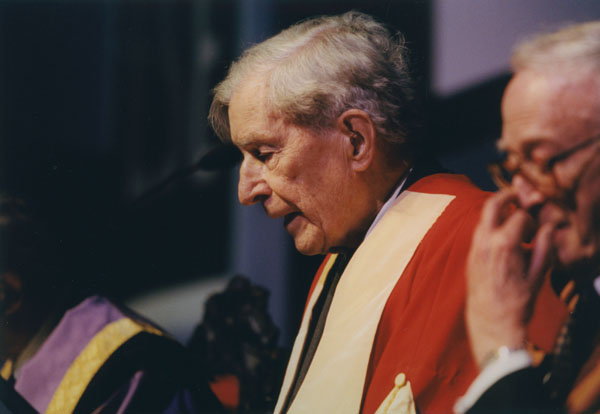
“Nothing is more portable than rich people and their money”
Attributed without source
Money: Whence It Came, Where It Went (1975)
John Kenneth Galbraith książka The Great Crash, 1929
Chapter VIII https://openlibrary.org/books/OL25728842M/The_Great_Crash_1929, Aftermath II, Section I, p 144 <br class="br">The Great Crash, 1929 (1954 and 1997 https://openlibrary.org/books/OL25728842M/The_Great_Crash_1929)
John Kenneth Galbraith książka The Affluent Society
Źródło: The Affluent Society (1958), Chapter 1, Section I, p. 13
John Kenneth Galbraith książka The New Industrial State
Źródło: The New Industrial State (1967), Chapter I, Section 3, p. 6
Źródło: Money: Whence It Came, Where It Went (1975), Chapter IX, The Price, p. 106
John Kenneth Galbraith książka The New Industrial State
Źródło: The New Industrial State (1967), Chapter XXVIII, Section 3, p. 321
As quoted in Adolf Hitler: The Definitive Biography (1991), by John Toland, also quoted in "Repatriation — The Dark Side of World War II (1995) by Jacob G. Hornberger http://www.fff.org/freedom/0795a.asp
John Kenneth Galbraith książka The Great Crash, 1929
Źródło: The Great Crash, 1929 (1954 and 1997 https://openlibrary.org/books/OL25728842M/The_Great_Crash_1929), Chapter V, The Twilight of Illusion, Section I, p. 68
“The enemy of the conventional wisdom is not ideas but the march of events.”
John Kenneth Galbraith książka The Affluent Society
Źródło: The Affluent Society (1958), Chapter 2, Section IV, p. 21
“The privileged have regularly invited their own destruction with their greed.”
Źródło: The Age of Uncertainty (1977), Chapter 10, p. 293
“The process by which banks create money is so simple that the mind is repelled.”
Źródło: Money: Whence It Came, Where It Went (1975), Chapter III, Banks, p. 18
John Kenneth Galbraith książka The Great Crash, 1929
Źródło: The Great Crash, 1929 (1954 and 1997 https://openlibrary.org/books/OL25728842M/The_Great_Crash_1929), Chapter VI, The Crash, p. 104
John Kenneth Galbraith książka The Great Crash, 1929
Źródło: The Great Crash, 1929 (1954 and 1997 https://openlibrary.org/books/OL25728842M/The_Great_Crash_1929), Chapter I, A Year To Remember, p. 4
The Ashes of Capitalism and the Ashes of Communism (1986)
“You roll back the stones, and you find slithering things. That is the world of Richard Nixon.”
Speech of Adlai Stevenson, Los Angeles (1956), written by Galbraith
John Kenneth Galbraith książka The New Industrial State
Źródło: The New Industrial State (1967), Chapter XXII, Section 4, p. 255
John Kenneth Galbraith książka The New Industrial State
Źródło: The New Industrial State (1967), Chapter V, Section 2, p. 49
John Kenneth Galbraith książka The New Industrial State
Źródło: The New Industrial State (1967), Chapter VI, Section 2, p. 62
John Kenneth Galbraith książka The Great Crash, 1929
Chapter VI https://openlibrary.org/books/OL25728842M/The_Great_Crash_1929, Things Become More Serious, Section II, p 110 <br class="br">The Great Crash, 1929 (1954 and 1997 https://openlibrary.org/books/OL25728842M/The_Great_Crash_1929)
Źródło: The Age of Uncertainty (1977), Chapter 1, p. 22
John Kenneth Galbraith książka The Great Crash, 1929
Źródło: The Great Crash, 1929 (1954 and 1997 https://openlibrary.org/books/OL25728842M/The_Great_Crash_1929), Chapter VIII, Aftermath I, Section III, p. 141
John Kenneth Galbraith książka The New Industrial State
Źródło: The New Industrial State (1967), Chapter XX, Section 1, p. 219 (Caps as per text...)
“Only in very recent times has the average man been a source of savings.”
John Kenneth Galbraith książka The New Industrial State
Źródło: The New Industrial State (1967), Chapter IV, Section 2, p. 37
“Men are, in fact, either sustained by organization or they sustain organization.”
John Kenneth Galbraith książka The New Industrial State
Źródło: The New Industrial State (1967), Chapter VIII, Section 5, p. 96
The Ashes of Capitalism and the Ashes of Communism (1986)
“We do not manufacture wants for goods we do not produce.”
John Kenneth Galbraith książka The Affluent Society
Źródło: The Affluent Society (1958), Chapter 9, Section VI, p. 113
John Kenneth Galbraith książka The Affluent Society
Źródło: The Affluent Society (1958), Chapter 18, Section I, p. 199
The New York Times Magazine (9 October 1960)


