„Szczęśliwy człowiek nie ma koszuli.”
The happy man's without a shirt.
Źródło: Be Merry Friends
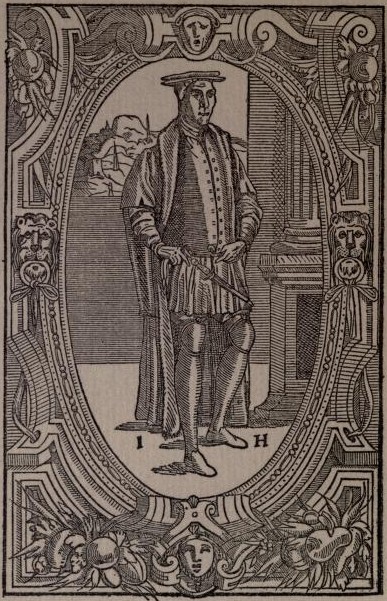
John Heywood – angielski dramaturg i poeta.
Najbardziej znanym utworem dramatycznym Johna Heywooda jest farsa The Four P's . Jego bohaterowie: Palmer , Pardoner , Potycary i Pedler współzawodniczą w konkursie na największe kłamstwo. Inną sztuką jest Wytty and Wytless . Poeta pozostawił po sobie również wiele epigramatów.
Fraszki Heywooda są dostępne w internetowej antologii poezji angielskiej. Wikipedia
„Szczęśliwy człowiek nie ma koszuli.”
The happy man's without a shirt.
Źródło: Be Merry Friends
Part II, chapter 2.
Proverbs (1546), Bartlett's Familiar Quotations, 10th ed. (1919)
Part I, chapter 2.
Proverbs (1546)
Part II, chapter 5.
Proverbs (1546), Bartlett's Familiar Quotations, 10th ed. (1919)
Proverbs (1546), Bartlett's Familiar Quotations, 10th ed. (1919)
Part I, chapter 4.
Proverbs (1546), Bartlett's Familiar Quotations, 10th ed. (1919)
Part I, chapter 10.
Proverbs (1546), Bartlett's Familiar Quotations, 10th ed. (1919)
Part I, chapter 3.
Proverbs (1546)
Part I, chapter 11.
Proverbs (1546), Bartlett's Familiar Quotations, 10th ed. (1919)
Part I, chapter 8.
Proverbs (1546), Bartlett's Familiar Quotations, 10th ed. (1919)
Part I, chapter 11.
Proverbs (1546), Bartlett's Familiar Quotations, 10th ed. (1919)
Part II, chapter 5.
Proverbs (1546), Bartlett's Familiar Quotations, 10th ed. (1919)
“Love me litle, love me long.”
Part II, chapter 2.
Proverbs (1546), Bartlett's Familiar Quotations, 10th ed. (1919)
“This hitteth the nayle on the hed.”
This hits the nail on the head.
Part II, chapter 11.
Proverbs (1546)
Part I, chapter 10.
Proverbs (1546), Bartlett's Familiar Quotations, 10th ed. (1919)
“Who is wurs shod, than the shoemakers wyfe,
With shops full of shoes all hir lyfe?”
Who is worse shod, than the shoemakers wife,
With shops full of shoes all her life?
Part I, chapter 11.
Proverbs (1546)