„Strasznie zgrzeszyłem i zaiste nie wiem, jaka mnie za to spotka kara.”
ostatnie słowa
Źródło: Simon Sebag Montefiore, Potwory. Historia zbrodni i okrucieństwa, tłum. Jerzy Korpanty, wyd. Świat Książki, Warszawa 2010, ISBN 9788324715480, s. 156.
Aurangzeb , właściwie: Abu Muzaffar Muhi ad-Din Muhammad Aurangzeb Alamgir – szósty władca Imperium Mogołów w Indiach od 1658 do 1707. Rozszerzył granice imperium, jednak jego fanatyczne propagowanie islamu i prześladowanie innych religii przyczyniło się do osłabienia państwa. Wikipedia
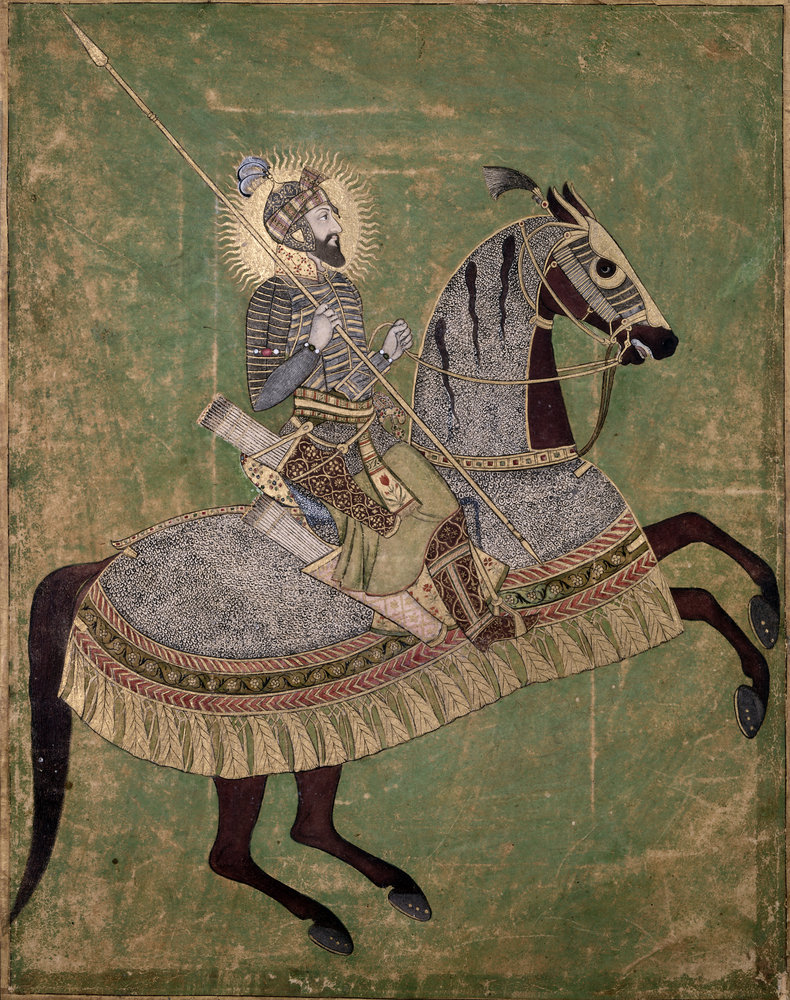
„Strasznie zgrzeszyłem i zaiste nie wiem, jaka mnie za to spotka kara.”
ostatnie słowa
Źródło: Simon Sebag Montefiore, Potwory. Historia zbrodni i okrucieństwa, tłum. Jerzy Korpanty, wyd. Świat Książki, Warszawa 2010, ISBN 9788324715480, s. 156.
Quotes from late medieval histories
Źródło: Sirhind (Punjab) Kalimat-i-Tayyibat, cited in : Sharma, Sri Ram, Religious Policy of the Mughal Emperors, Bombay, 1962. p. 138
Maasir-i-alamgiri, translated into English by Sir Jadu-Nath Sarkar, Calcutta, 1947, pp. 312-15
Quotes from late medieval histories
Inscription on Mosque at Bodhan, Andhra Pradesh, Epigraphia Indo-Moslemica, 1919-1920 quoted from Shourie, A., & Goel, S. R. (1993). Hindu temples: What happened to them. Vol. II.
Quotes from late medieval histories
Quotes from late medieval histories, 1670s
Źródło: A letter preserved in the Yasho-Madhav temple of Dhamrai in the Dacca district, dated 27 June, 1672, and printed in J. M. Ray’s Bengali History of Dacca, i. 389. quoted in Sarkar, Jadunath (1972). History of Aurangzib: Volume III. App. V.
(Mirat-i-Ahmadi, 232.) The Bombay Gazetteer, vol. I. pt, I. p. 280, adds that he slaughtered a cow in the temple, but Shah Jahan ordered the building to be restored to the Hindus.
Quotes from late medieval histories, 1660s
Źródło: Sarkar, Jadunath (1972). History of Aurangzib: Volume III. App. V.