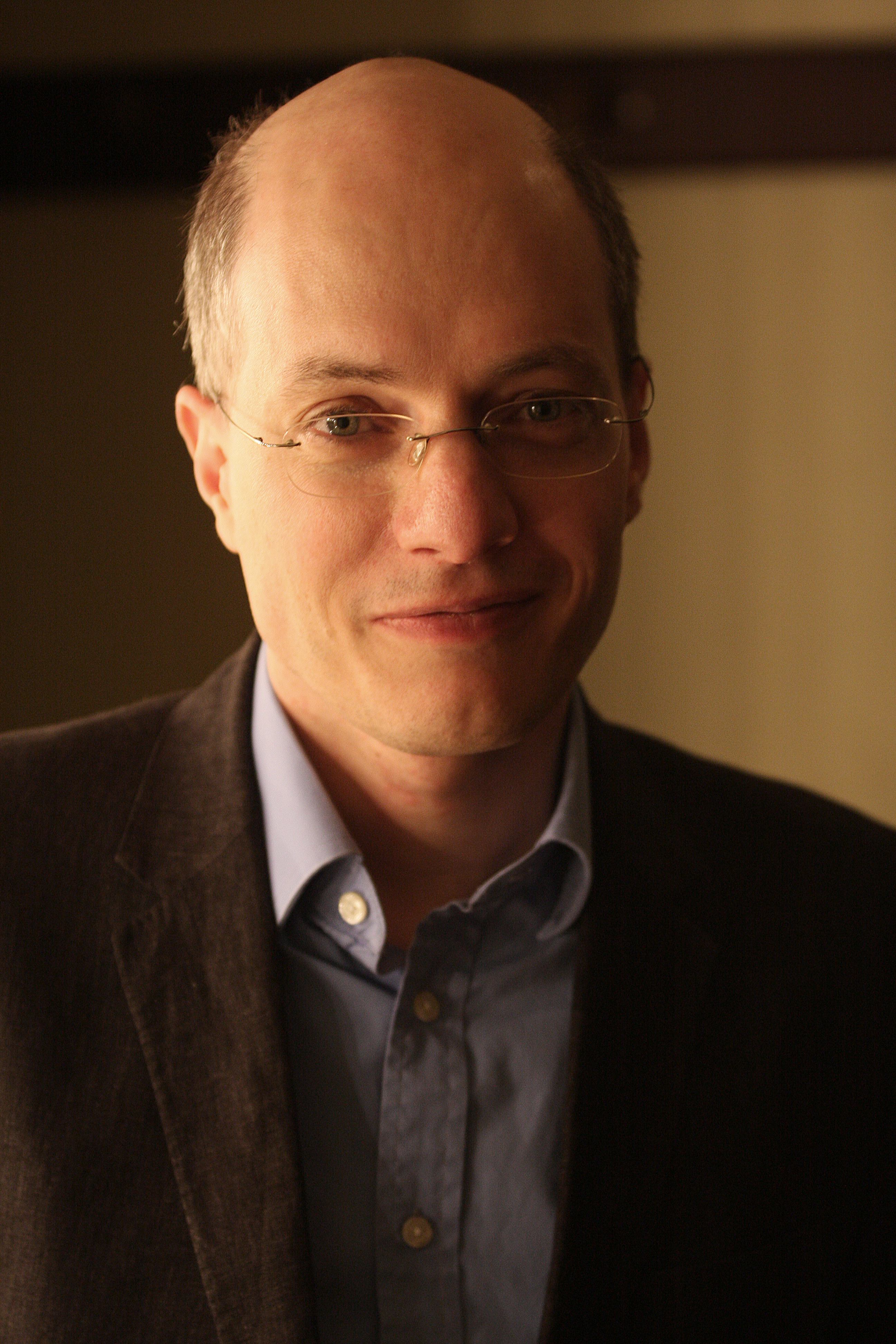
Alain de Botton: Cytaty po angielsku
Alain de Botton książka The Consolations of Philosophy
Źródło: The Consolations of Philosophy (2000), Chapter V, Consolation For A Broken Heart, p. 199.
“Reclaiming the Intellectual Life for Posterity,” Liberal Education, vol. 95, no. 2 http://www.aacu.org/liberaleducation/le-sp09/le-sp09_MyView.cfm
Alain de Botton książka The Consolations of Philosophy
Źródło: The Consolations of Philosophy (2000), Chapter IV, Consolation For Inadequacy, p. 163.
Źródło: The Pleasures and Sorrows of Work (2009), p. 287.
Źródło: The Pleasures and Sorrows of Work (2009), p. 238.
Źródło: The Pleasures and Sorrows of Work (2009), p. 278.
Źródło: The Pleasures and Sorrows of Work (2009), p. 324.
Alain de Botton książka The Consolations of Philosophy
Źródło: The Consolations of Philosophy (2000), Chapter I, Consolations For Unpopularity, p. 9.
Alain de Botton książka The Consolations of Philosophy
Źródło: The Consolations of Philosophy (2000), Chapter IV, Consolation For Inadequacy, p. 146.
Źródło: The Pleasures and Sorrows of Work (2009), p. 84.
Alain de Botton książka Status Anxiety
Źródło: Status Anxiety (2004), pp. 116-117.
Alain de Botton książka The Consolations of Philosophy
Źródło: The Consolations of Philosophy (2000), p. 21.
“Our greatest furies spring from events which violate our sense of the ground of our existence.”
Alain de Botton książka The Consolations of Philosophy
Źródło: The Consolations of Philosophy (2000), Chapter III, Consolation For Frustration, p. 83.
Alain de Botton książka Status Anxiety
Źródło: Status Anxiety (2004), Chapter 5 (pt.6 29:50) [Paraphrasing Rousseau]
Źródło: The Pleasures and Sorrows of Work (2009), p. 39.
[describing his sentiments after the launch of the rocket Ariane] pp. 163-164.
The Pleasures and Sorrows of Work (2009)
Alain de Botton książka The Consolations of Philosophy
… Our souls do not spell out their troubles.
Źródło: The Consolations of Philosophy (2000), pp. 53-54.
Źródło: The Pleasures and Sorrows of Work (2009), pp. 259-260.
“The greatest works of art speak to us without knowing us.”
Alain de Botton książka The Consolations of Philosophy
Źródło: The Consolations of Philosophy (2000), Chapter V, Consolation For A Broken Heart, p. 200.
Źródło: The Pleasures and Sorrows of Work (2009), p. 237.
Źródło: The Pleasures and Sorrows of Work (2009), p. 97.
Źródło: The Pleasures and Sorrows of Work (2009), p. 212.
“It is by finding out what something is not that one comes closest to understanding what it is.”
Alain de Botton książka The Consolations of Philosophy
Źródło: The Consolations of Philosophy (2000), Chapter I, Consolations For Unpopularity, p. 25.
Źródło: The Pleasures and Sorrows of Work (2009), p. 127-128.
“Happiness may be difficult to obtain. The obstacles are not primarily financial.”
Alain de Botton książka The Consolations of Philosophy
Źródło: The Consolations of Philosophy (2000), Chapter II, Consolation For Not having Enough Money, p. 72.
Źródło: The Pleasures and Sorrows of Work (2009), p. 35.
Źródło: The Pleasures and Sorrows of Work (2009), p. 237.
Alain de Botton książka Status Anxiety
Źródło: Status Anxiety (2004), Chapter 5 (pt.6 27:39).


